




Totals
${{ totalOrderSum() }}
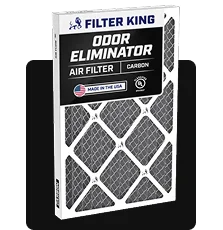

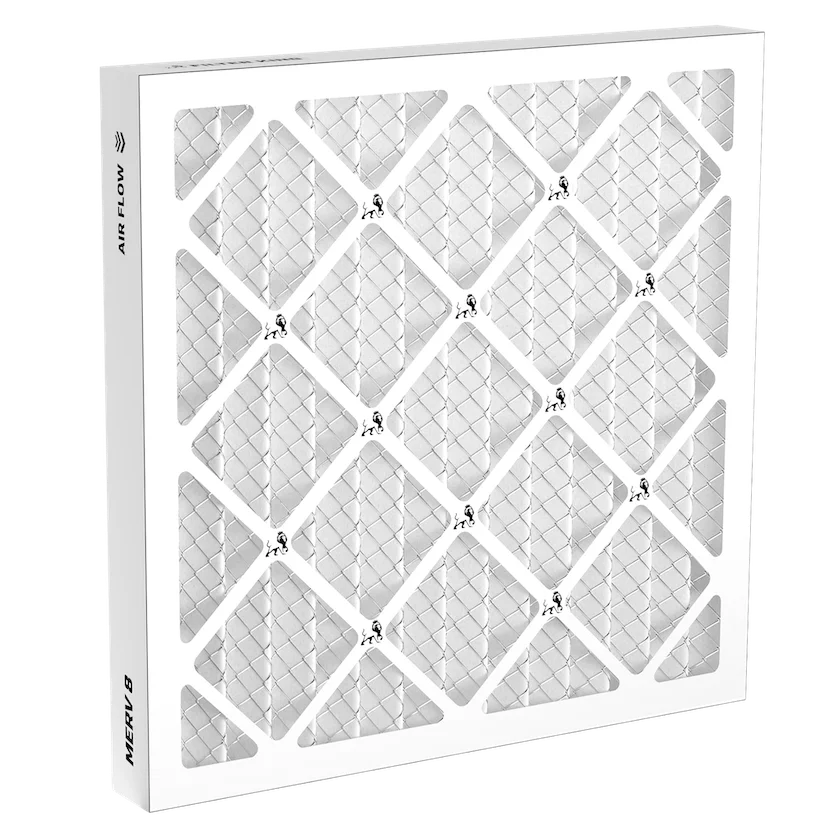
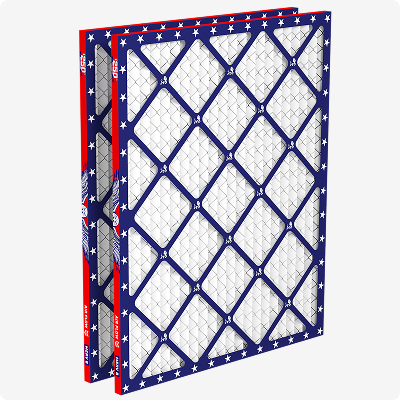
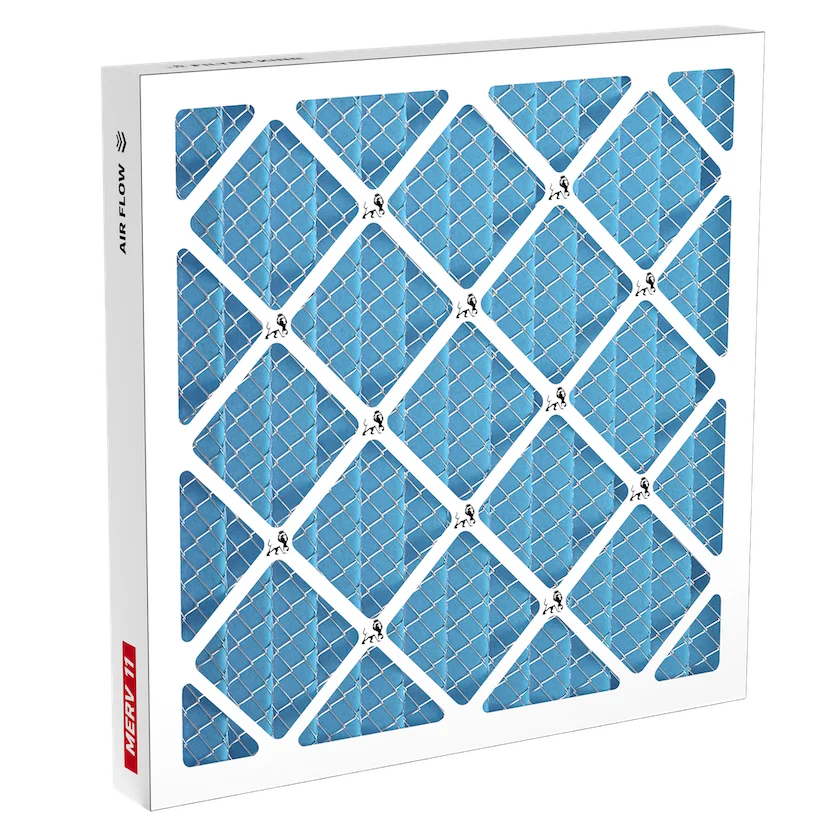
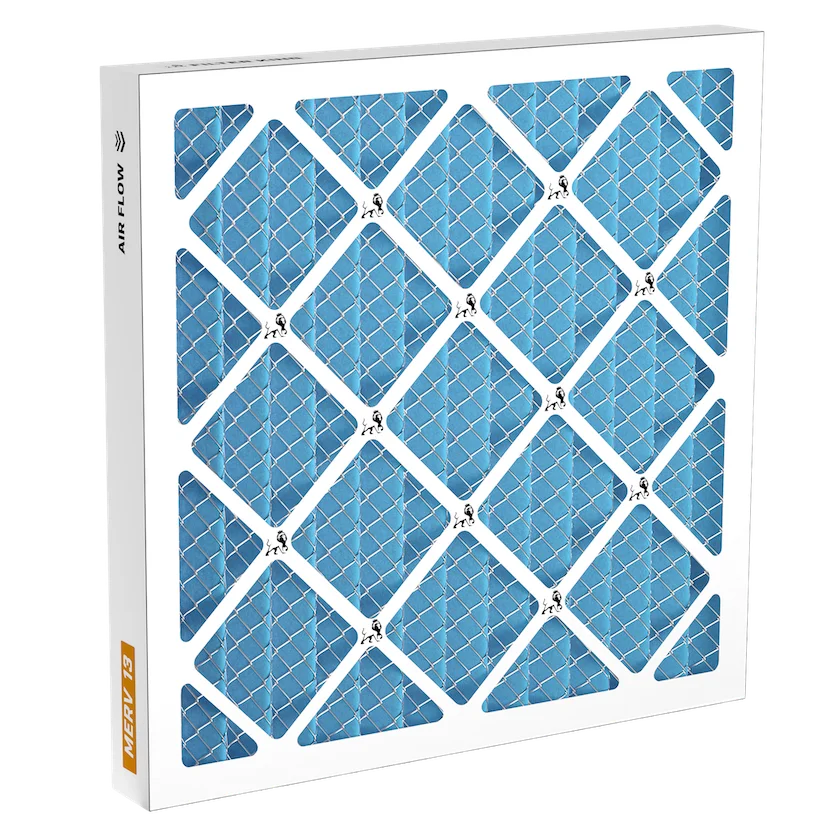
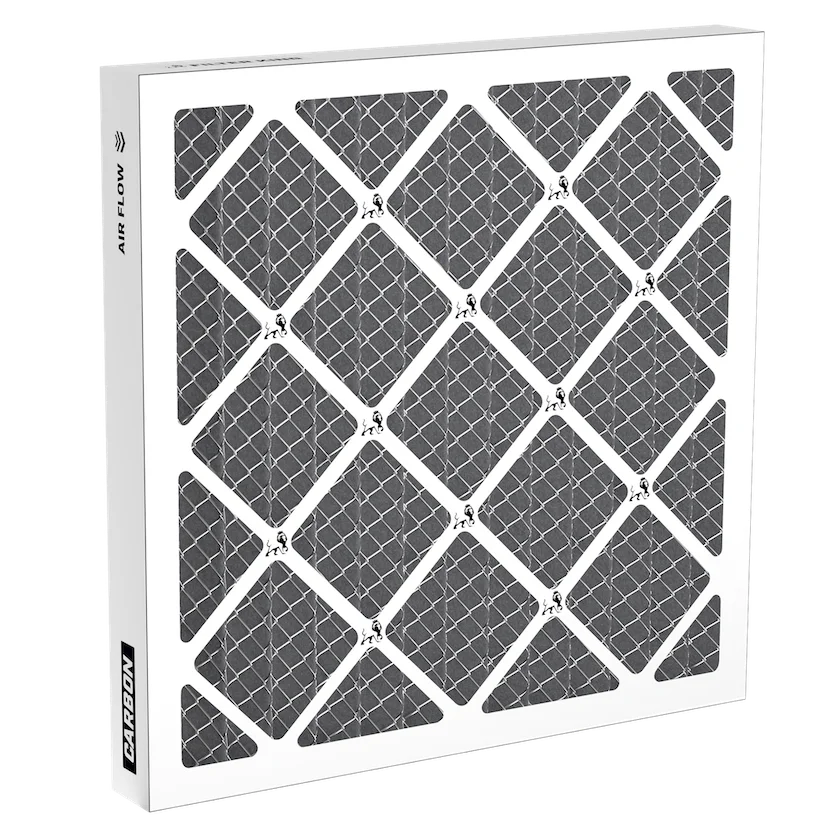




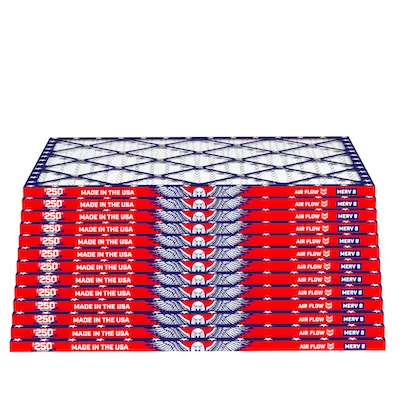
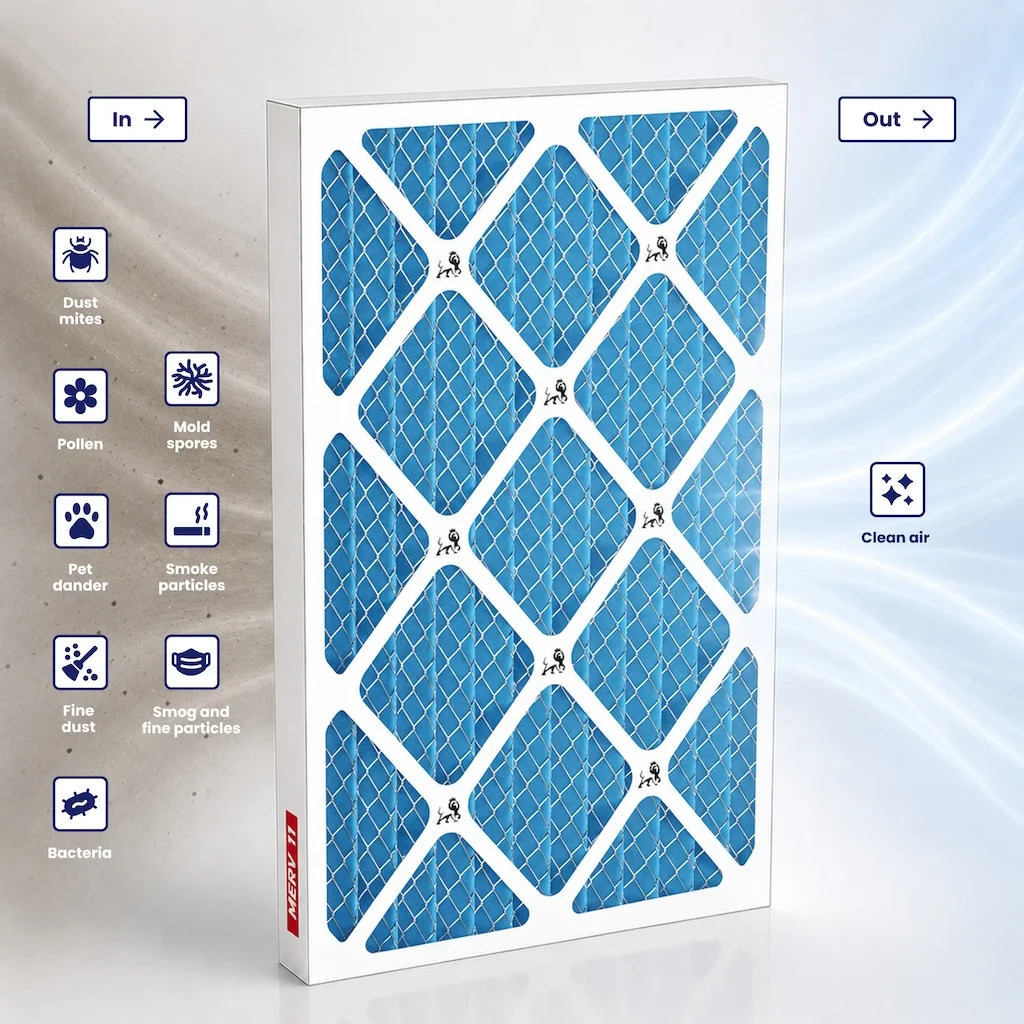
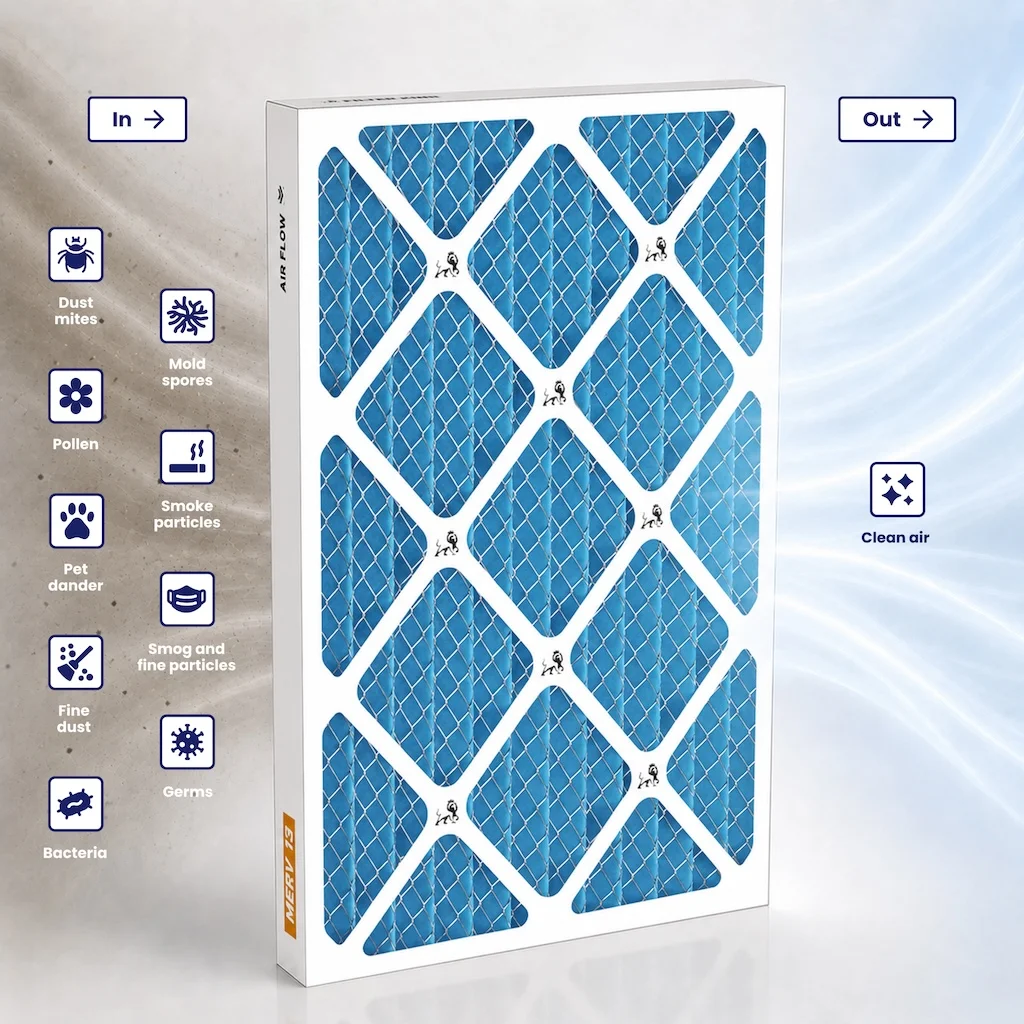
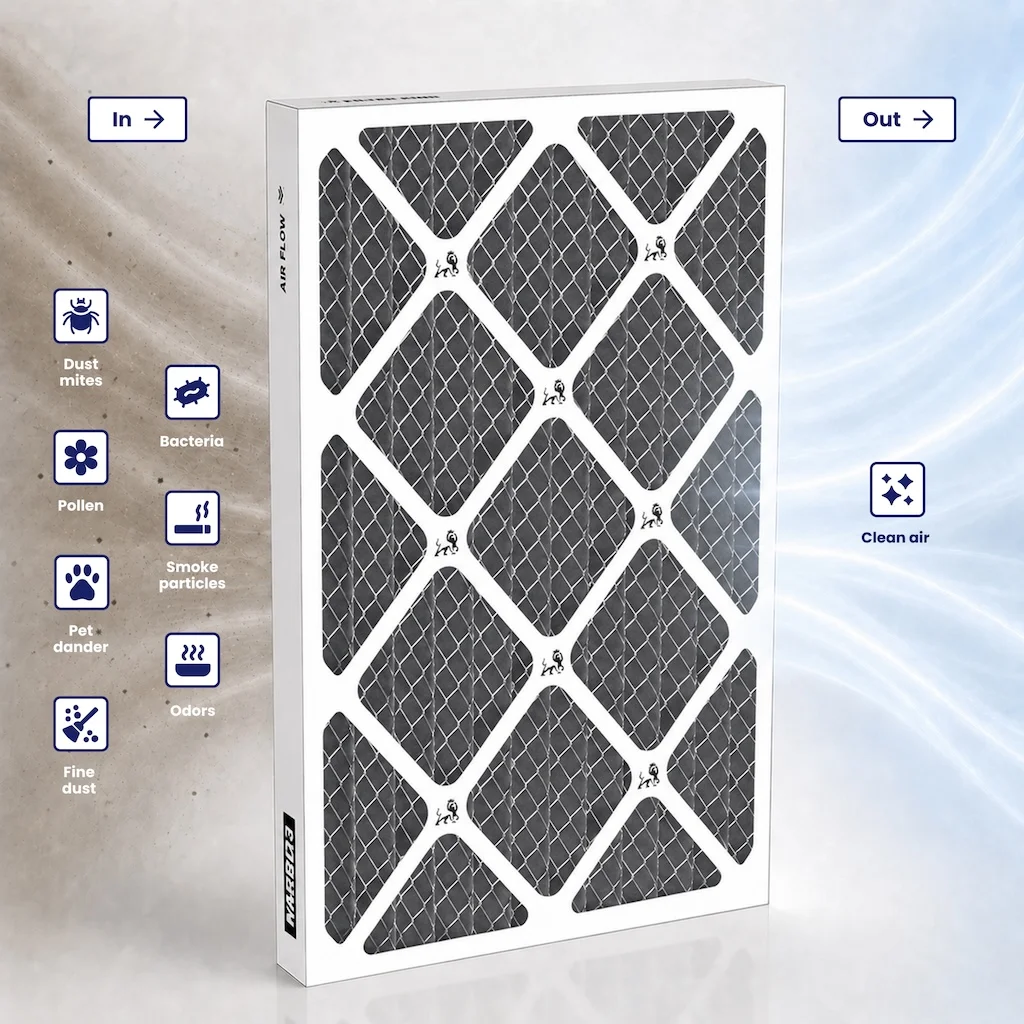



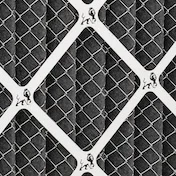
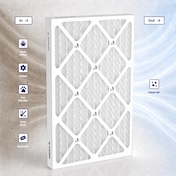
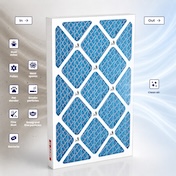
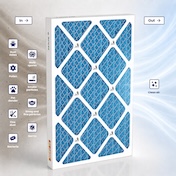
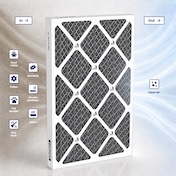
The 20x20x1 air filter is designed for residential furnace and HVAC systems, helping improve indoor air quality while protecting your equipment.
Whether you need a 20x20x1 furnace filter or a high-efficiency HVAC air filter, this size is commonly used and should be replaced every 30–90 days.
Actual size: 19.5 x 19.5 x 0.75 inches
 {{ filter_count }}


Processed quickly, ships fast, free for all orders

Return your items within 30 days and get a full refund

Find your perfect fit with our complete size range
For best indoor air quality, we recommend you change your HVAC or furnace air filters regularly at different times depending on your situation.


Replace your air filter every 6 weeks to minimize the circulation of bacteria and allergens in the air.

Replace air filters every 2 months to reduce odors as well as pet dander and hair buildup in your system.

Replace your air filter every 2-3 months to reduce airborne particles and maintain cleaner indoor air.

Your filter catches dust every day, but it can only hold so much. Once it's full, dirty air keeps circulating and your system has to work harder – leading to problems that spread through your whole home.

A clogged filter makes your system work much harder to push air through. That extra effort shows up on your energy bill.

When air can't flow through, your AC can freeze up in summer and your furnace can overheat in winter.

A dirty filter weakens your system's airflow, so some rooms end up too hot, too cold, or just plain stuffy.
How well does the current selection protect your home?
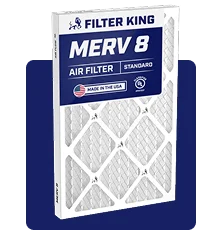
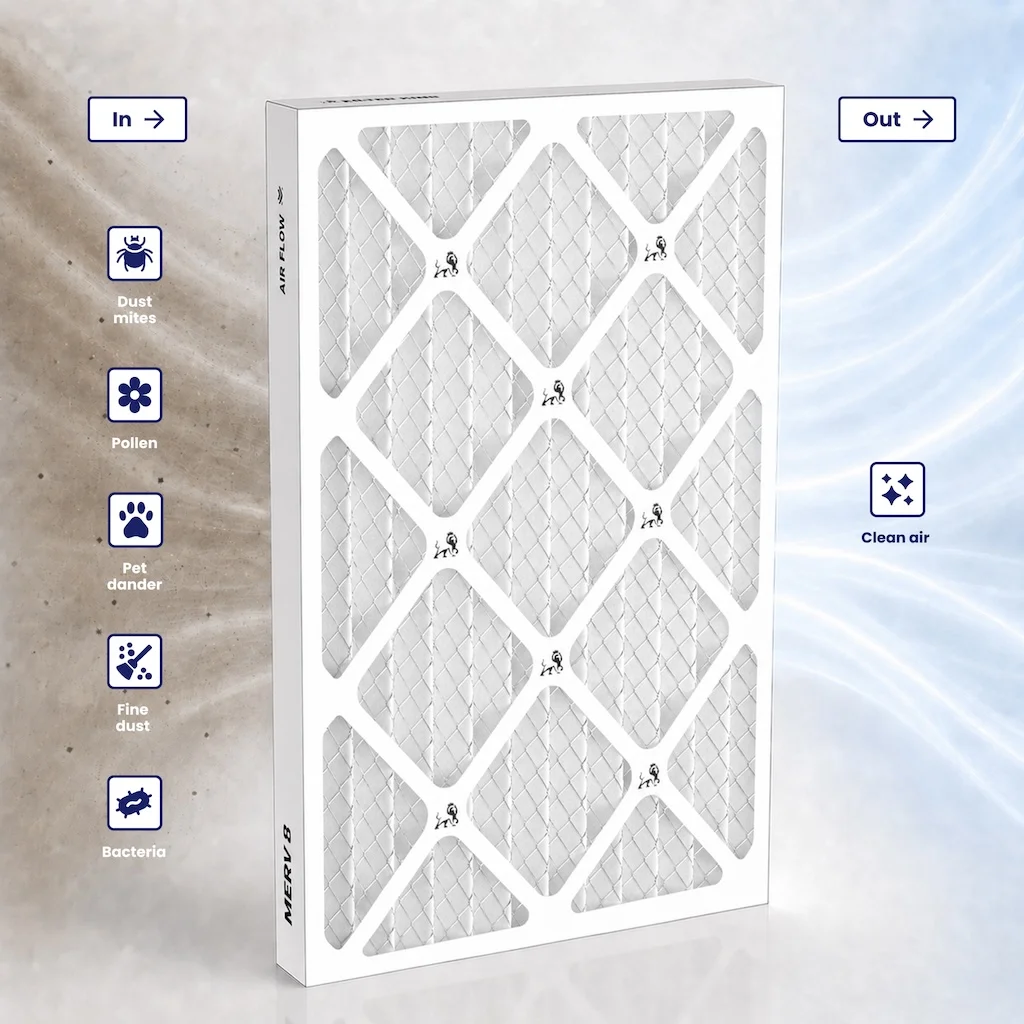
Captures dust mites, pollen, pet dander, lint, and mold spores – up to 90% of common household particles. Does not stop fine dust, smoke, or smog particles under 3 microns.


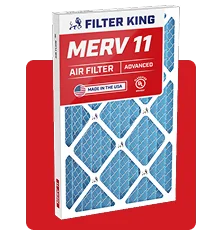
Captures everything MERV 8 does, plus fine dust, smoke particles, and smog – up to 95% of common particles, including particles as small as 0.1 microns. Does not capture bacteria, virus carriers, or odors.


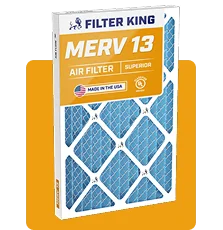
Captures everything MERV 11 does, plus bacteria and virus carriers – up to 98% of common particles. Does not remove odors, VOCs, or cooking smells.


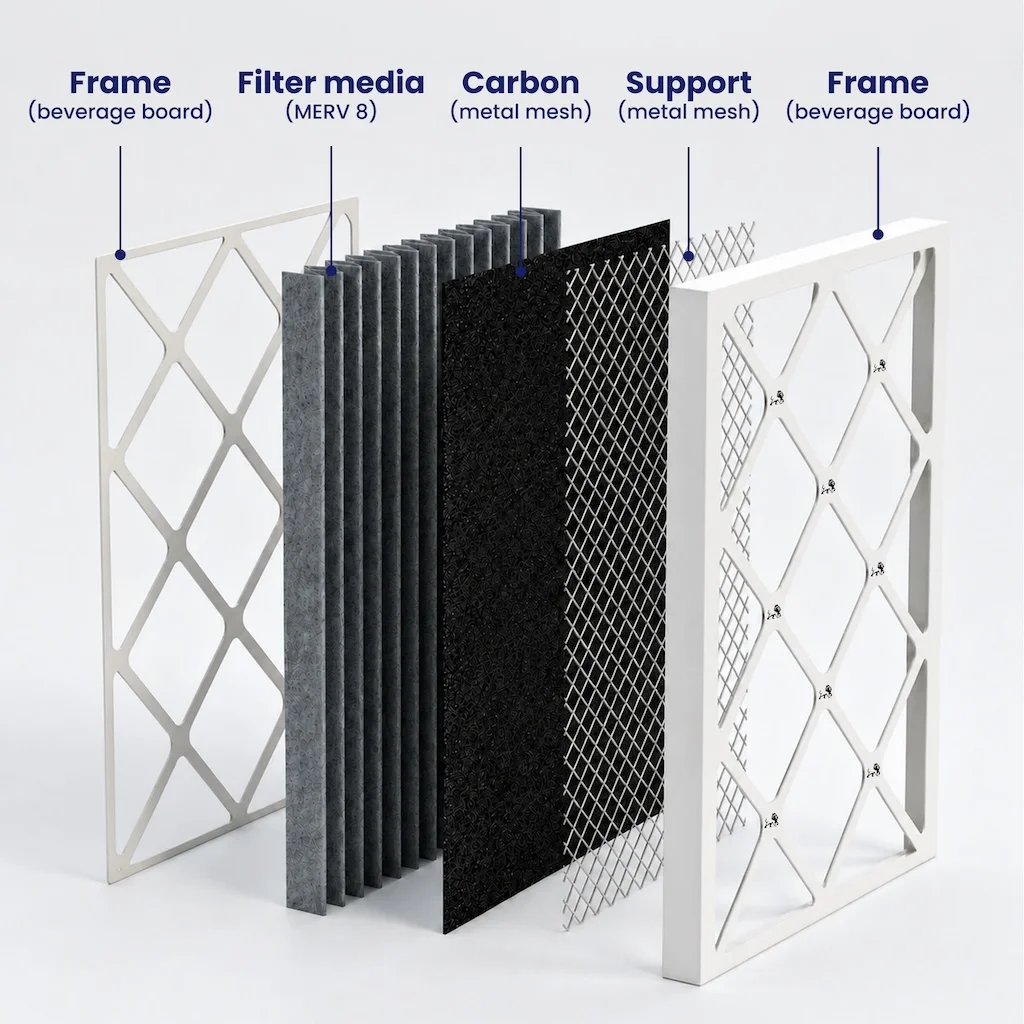
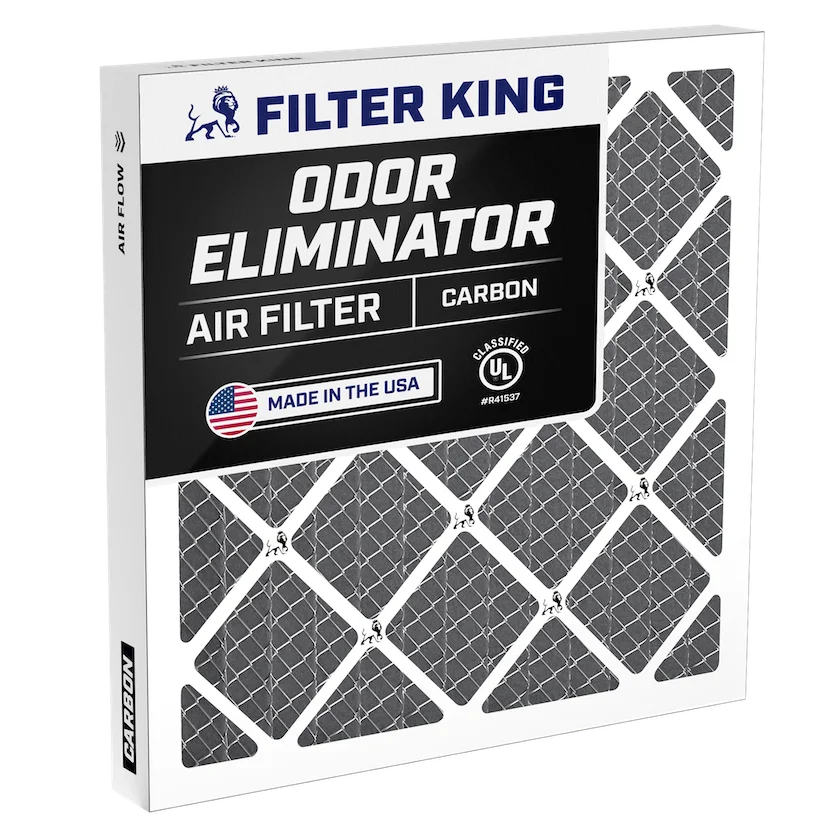
Captures the same particles as MERV 8 – dust mites, pollen, pet dander, lint, and mold spores – plus smoke particles, odors, gases, and VOCs at the molecular level. Does not capture fine dust, smog, bacteria, or virus carriers.


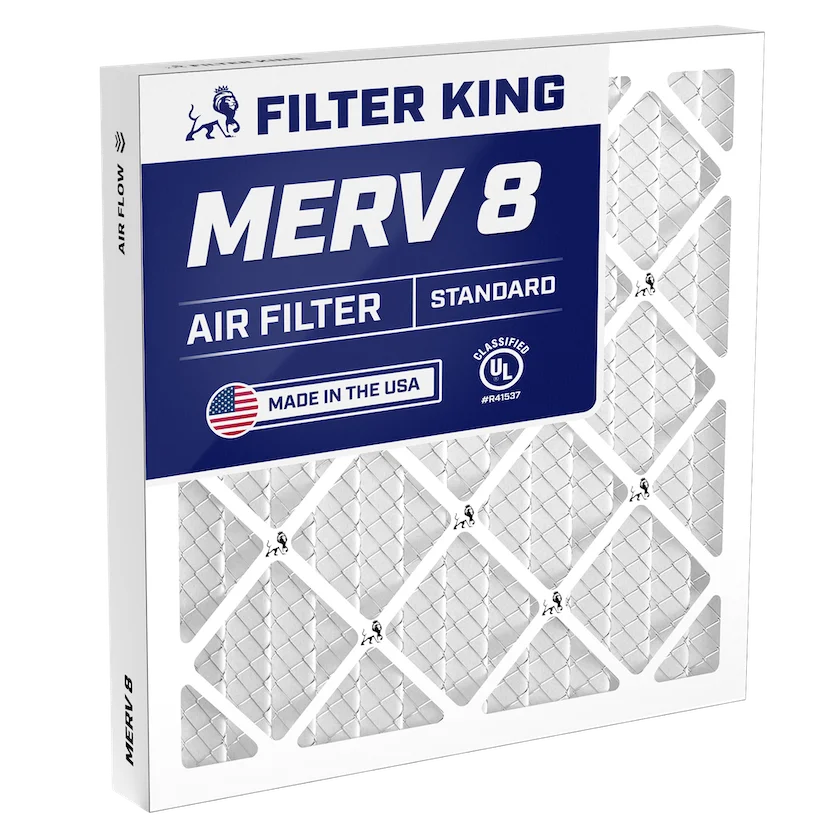
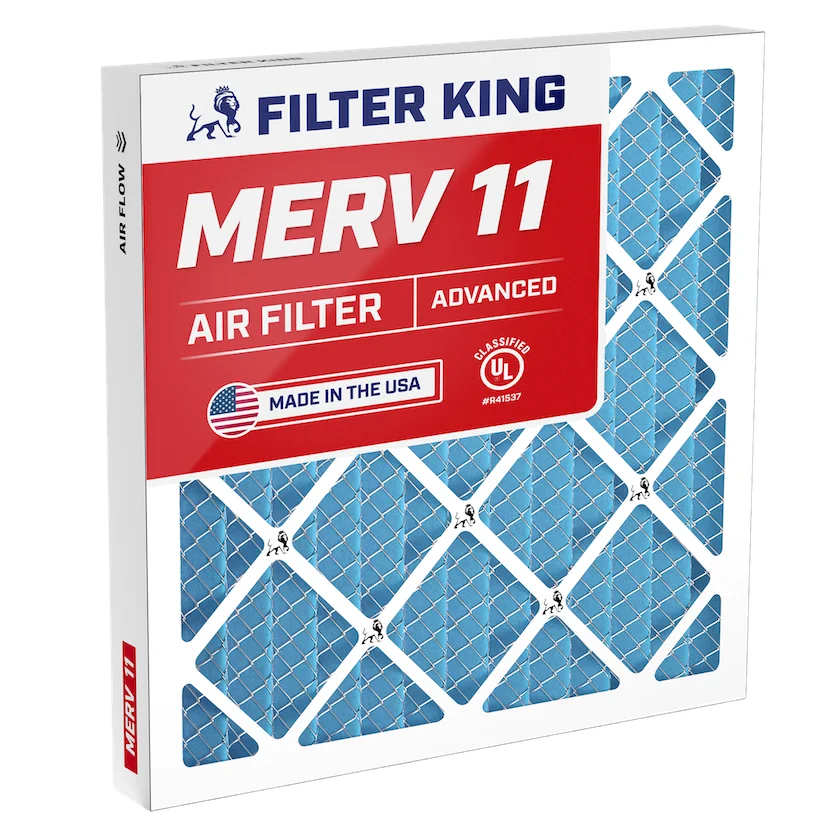
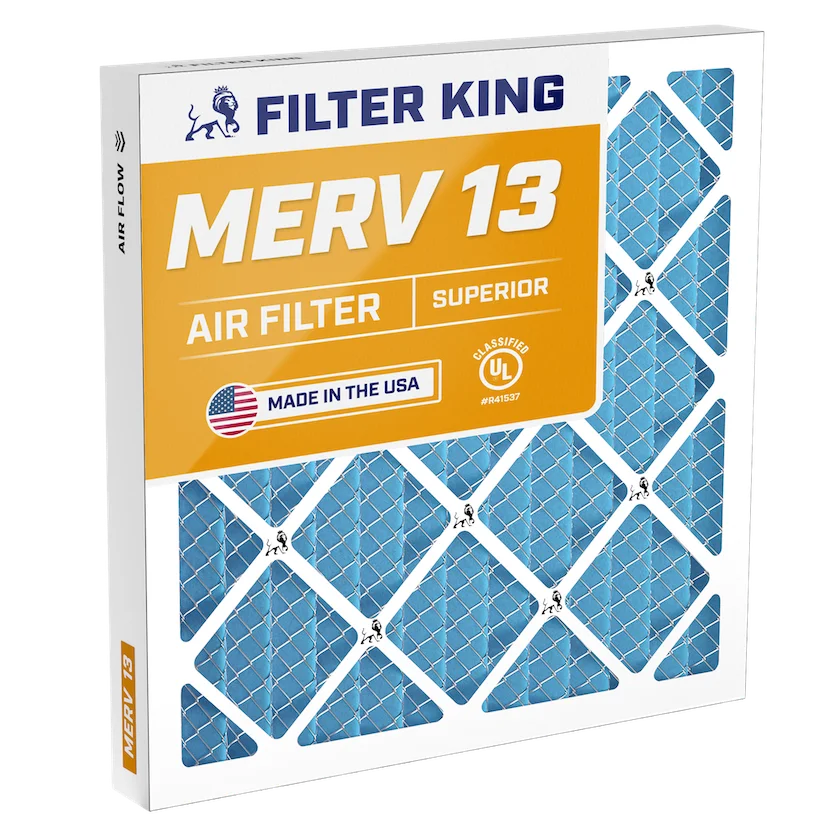


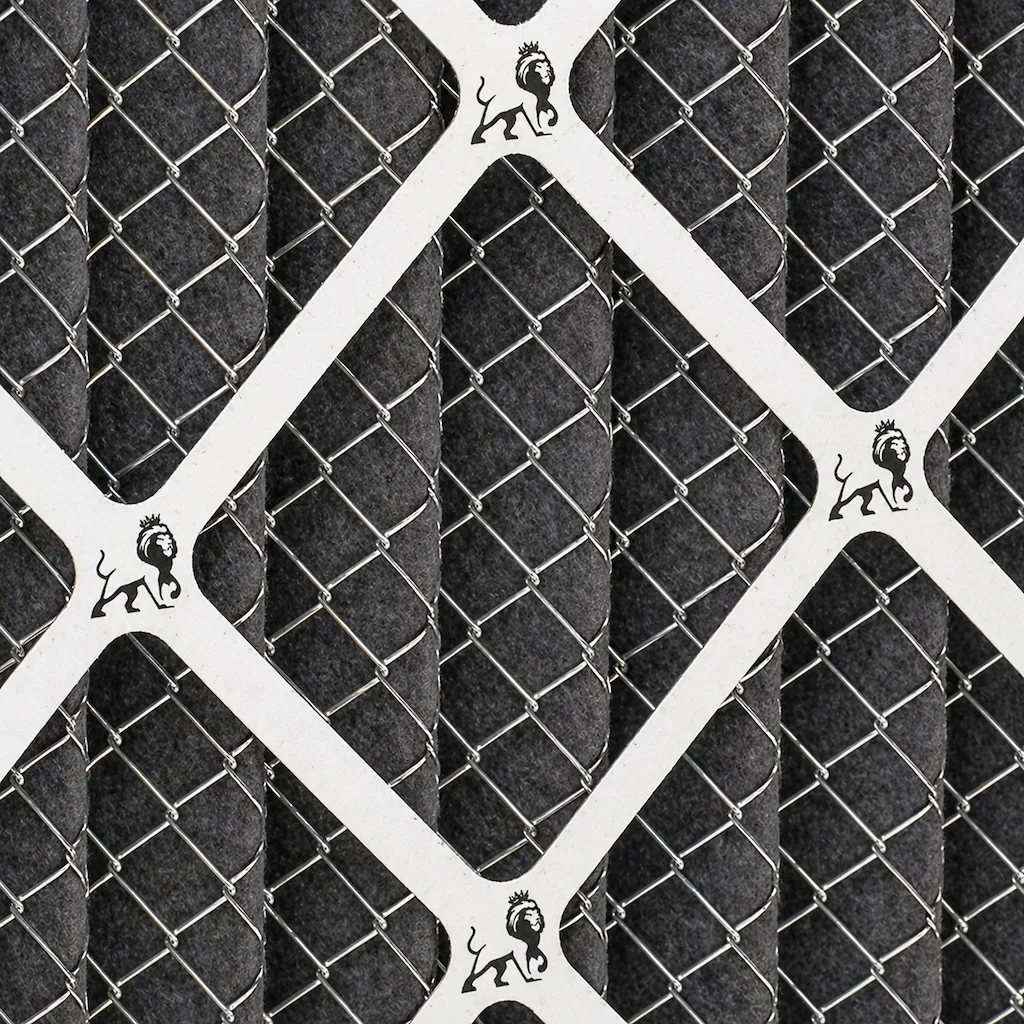
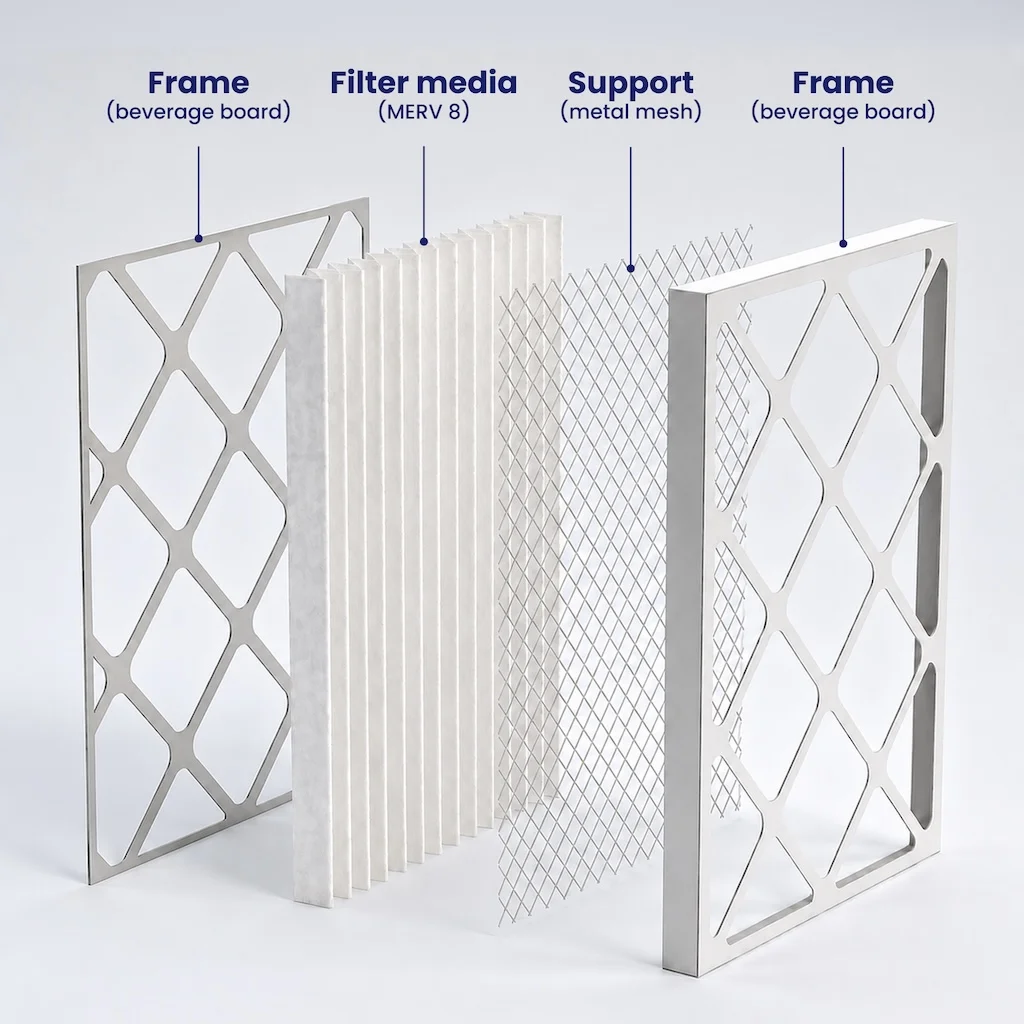
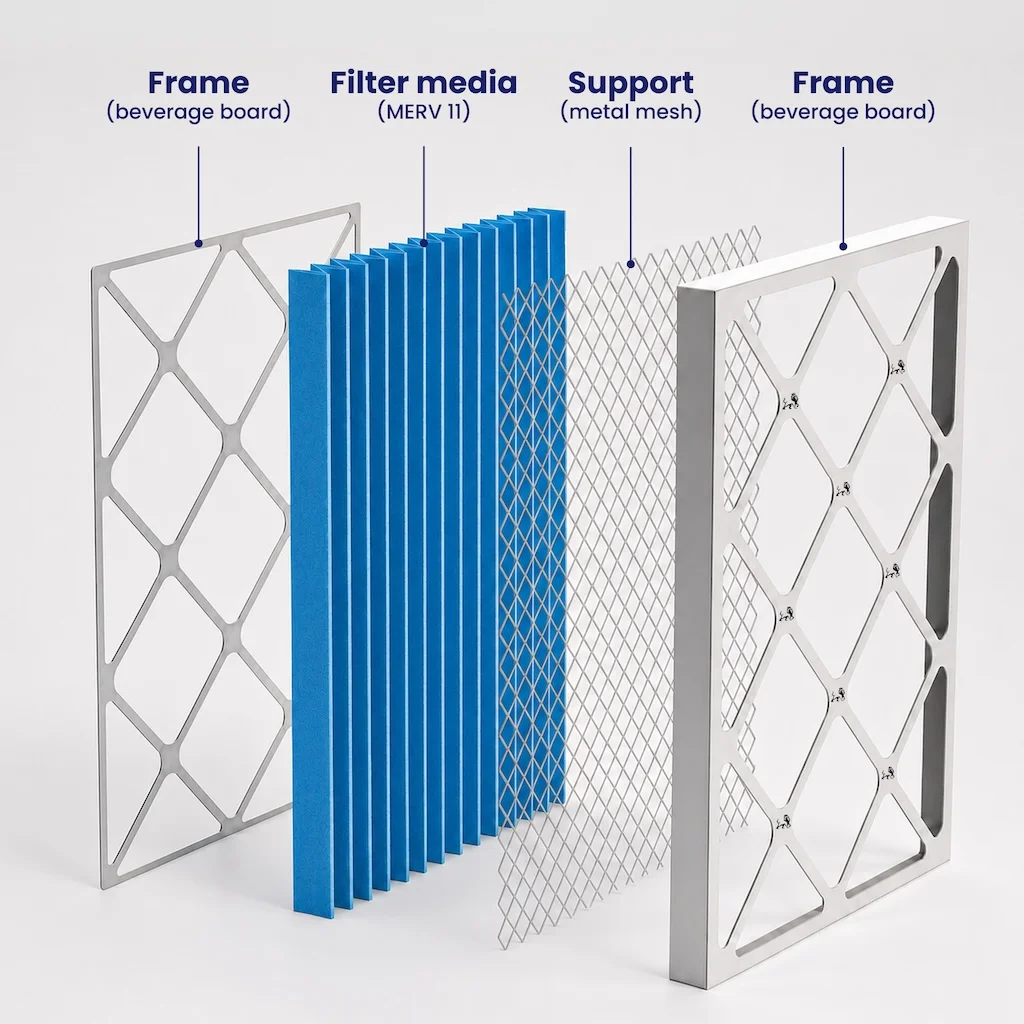
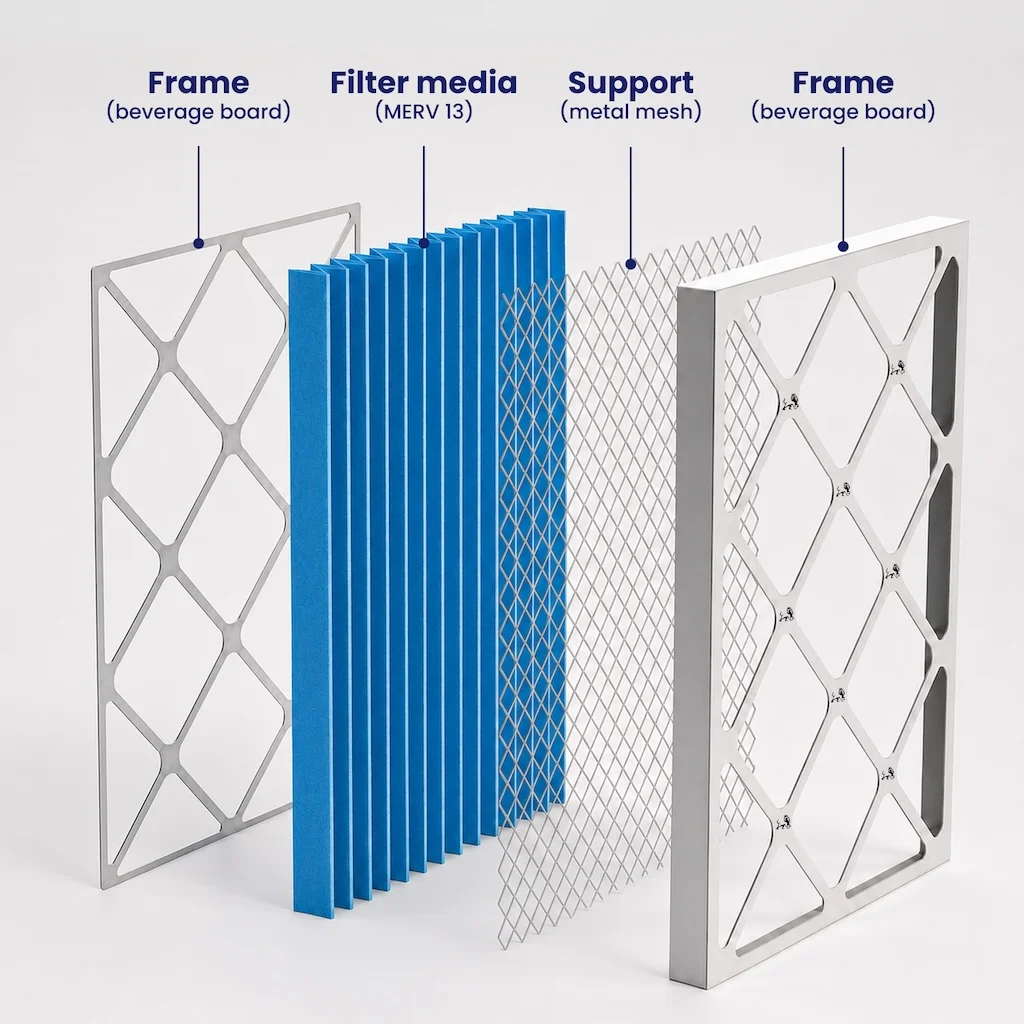
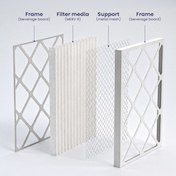
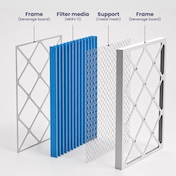
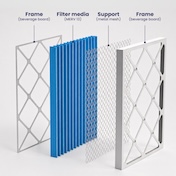
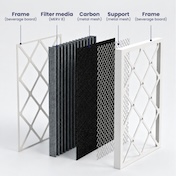
The diagonal straps die-cut into the frame bond to each pleat tip, keeping them evenly spaced so the filter won't bow.
Traps up to 90% of everyday particles like dust mites, pollen, pet dander, and mold spores, while still letting air flow through freely.
Rated to capture up to 95% of common particles, MERV 11 media catches dust mites, pollen, pet dander, and mold spores, as well as fine dust and smoke.
Stops up to 98% of particles passing through, including dust mites, pollen, pet dander, and mold spores, as well as fine dust, smoke, and bacteria.
Traps up to 90% of everyday particles like dust mites, pollen, pet dander, and mold spores, while still letting air flow through freely.
An expanded wire grid bonds to the media, stopping the pleats from shifting or pulling away under airflow.
An expanded wire grid bonds to the media, stopping the pleats from shifting or pulling away under airflow.
An expanded wire grid bonds to the media, stopping the pleats from shifting or pulling away under airflow.
A layer of activated carbon absorbs odor molecules from cooking, pets, and chemical fumes – catching what the filter media alone can't.
The same heavy-duty, moisture-resistant beverage board on the exit side holds its shape and keeps a tight seal in your vent or wall slot.
An expanded wire grid bonds to the media, stopping the pleats from shifting or pulling away under airflow.
Check the label on your current filter or use a tape measure to determine the length, width, and thickness. Just make sure you know the difference between nominal and actual size.
Nominal Size: 20x20x1
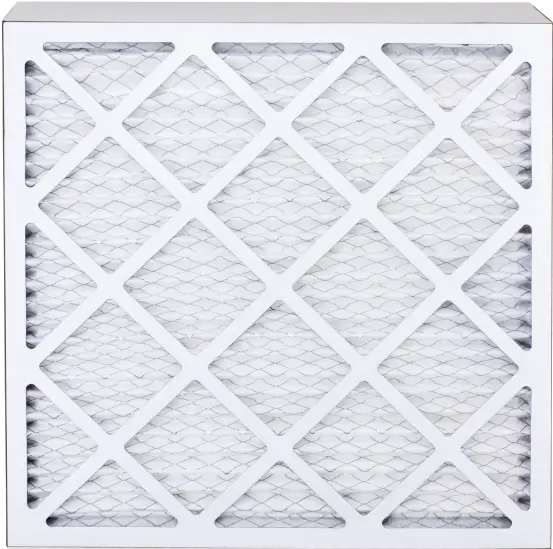
Actual Size: 19.5x19.5x0.75
Nominal size is what you normally see printed on the label. This is usually a rounded size which is often not the true size of your filter.
Actual size is the true size of the air filter, usually written in smaller font below the nominal size.
Measure your current air filter or the length, width, and depth of the opening slot to get the actual size. Round it up to the nearest whole inch to get the nominal size.
Installing 20x20x1 furnace filter or HVAC air filter is easy. Just make sure to align the arrow printed on the side with the airflow direction!
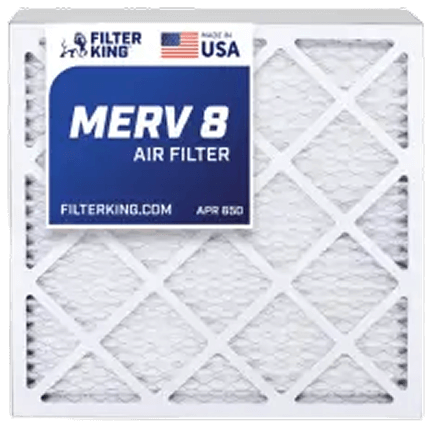
Remove the air filter from the package
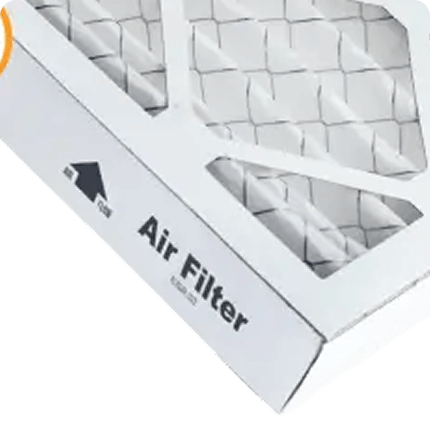
Locate the arrow and point it in the direction of the fan
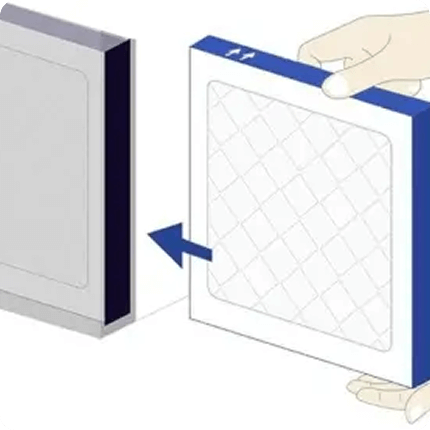
Slide the filter in to the slot of the central unit

For return grills, insert the filter into the grill, pointing the arrow inwards
Never run out of a clean filter – and cancel anytime if your plans change
 Pay full price on every order
Need to remember to reorder every time you run out
Forget to reorder, and a dirty filter can drive up your energy bills.
Pay full price on every order
Need to remember to reorder every time you run out
Forget to reorder, and a dirty filter can drive up your energy bills.
 Get 5% off every order, automatically
New filters arrive right when you need them
Pause, skip, or cancel anytime – no commitment needed.
Get 5% off every order, automatically
New filters arrive right when you need them
Pause, skip, or cancel anytime – no commitment needed.
According to the Environmental Protection Agency, one of the best ways to boost indoor air quality is by improving air quality through regularly changing the air filter or promoting effective ventilation by following HVAC recommendations for timely filter changers. Doing so can also save your unit excessive wear and tear by overworking it.
There is a growing demand for this specific dimension as it is the standard size for most residential forced-air heating and cooling units. This size fits most residential applications because the size is usually dictated by the frame or slot for the return. It is usually purposefully designed to accommodate this size filter. As such, many HVAC systems use the 20x20x1 air filter.
Central air conditioners, heat pumps, air handlers and furnaces often utilize the 20x20x1 air filter size. These filters can be pleated, washable, or fiberglass. Pleated filters are the most commonly used type due to their price-performance superiority. The 20x20x1 size is also immensely popular due to its design, offering superior filtration without sacrificing airflow. This also means it's adaptable to a variety of brands and is convenient to use and easy to find.
The 20x20x1 air filter size is a very compatible size with a variety of furnace models. Common brands like Trane, Goodman, Lennox and Carrier use this model. There are many filters that are interchangeable with different manufacturers and models. The most common return vent configurations is a filter grilled with either a hinged door or a removable face, for easy filter changes.
The location of said return is usually in either a ceiling or mounted in a wall for easy access. Return grilles come in various finishes, including steel or white powder-coated and can have different louver patterns. Sometimes, materials like wood are utilized.
When it comes to air handler compatibility, it's important to check the manual for the recommended Minimum Efficiency Reporting Value (MERV) rating and then ensure that the filter's actual size is 19.5"x19.5"x0.75. This measurement indicates that your unit does need a 20x20x1 air filter. The stated actual size indicates that your unit needs an air filter nominal size being 20x20x1. Remember, you will save your unit overall if you perform recommended filter changes.
Performance characteristics of 20x20x1 filters include the filtration efficiency, which is measured in MERV rating, the static pressure, airflow, lifespan, and energy consumption. Overall, the lower the MERV number, the lower the air filtration. However, the higher MERV rating levels will have greater airflow restriction.
For example, a MERV 13 filter will capture over 50% of airborne particles, including smoke and bacteria. It's important to note, though that this MERV rating might require that an HVAC system be able to handle increased resistance of this increased filtration. In addition, a snug fit is required for this filter to prevent air from bypassing the filter media.
Size does impact the time it takes for the surface of the filter to become clogged. A 1-inch thick air filter will clog faster generally than a thicker filter, which means a shorter lifespan. However, even if a thicker filter will last longer, it's important to purchase the correct size for your unit as air constrictions can become an issue. The pleat count standard for a 20x20x1 size is based on the MERV rating as well and can vary from 8 to 16 pleats per foot. The higher the MERV rating, the more pleats per foot.
When determining the proper rating for your air filters, evaluate the capacity considerations. This includes factors like the increased resistance certain filters can come along with the design, and whether your unit is modern or older. Generally, more modern units can handle higher ratings better than older.
Single family homes: The National Association of Home Builders NAHB stats that the average size of single family homes is now 2,561 square feet. This is the most common sized space that uses filters to reduce allergens, dust, smoke and more, along with supporting a good working unit and furnace.
Apartments and condos: Energy costs matter when looking for air filters. Today, many are opting for apartments or condos instead of buying traditional homes. However, they still need to purchase reliable filters to maintain their furnace or other unit.
Small commercial spaces: Another common use of 20x20x1 air filters are in small commercial spaces. When you are renting these spots, you want noticeable improvement in air quality to be sure due to the close quarters and potential for customer interaction.
Office environments: Odor eliminator is also important in office environments, making them another common environment to use these filters. Businesses want good quality air in the place they work.
Multi-unit residential buildings: In this type of unit, superior performance and key removal of airborne particles is particularly important.
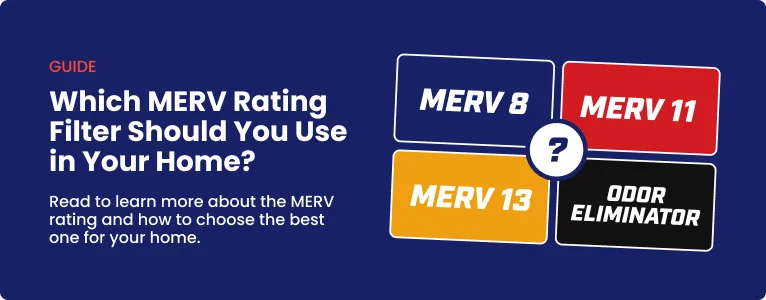
Standard residential: When it comes to standard residential usage, the common decision comes between MERV 8 and MERV 11. MERV 8 offers basic filtration but is less restrictive when it comes to airflow. MERV 11 is better at capturing airborne particles like smoke, mold and bacteria. The main difference is the airflow restriction that comes with the MERV 11, which can be too much for some units, but ideally suited for others.
Pet owners: When pets are part of the family, then you are looking for enhanced filtration needs, MERV 8, 11 and 13 offer this as part of the air quality filtration process.
Allergy sufferers: Living with allergies can be difficult. Thankfully, The MERV 13 is specifically designed to filter out up to 98% of particles, which makes it great for allergy sufferers. This can also make a difference for asthma sufferers.
Odor elimination: If an odor eliminator is an important factor or use of a filter, then the MERV 8 Carbon could be the best answer. It is ideally suited for homes with pets and smokers for this reason.
High-efficiency systems: For modern high-efficiency units, the optimal MERV rating is likely somewhere between 11 and 13. This provides a good balance between airflow resistance and air filtration.
The typical 20x20x1 air filter lasts between 1 and 3 months. This will vary based on your house's environment, the filter quality (the better, the longer you can go) and other factors. These impact the longevity and the durability of your filter and will sometimes mean you need to change it more frequently.
There are also seasonal specific needs and considerations for replacement that you need to factor in as well in terms of filtration. For example, it's important to consider changing air filters at the beginning and the end of heavy-use seasons, such as summer and winter, for more energy efficiency and overall performance improvement.
System runtime also has a direct correlation with the filter life, even if the filter itself is made with high-quality materials. A system that runs more frequently will circulate more air throughout its operation. Therefore, in many cases, if your unit runs for a longer amount of time, then you might have to change filters more frequently, while you might get more time between changes if your system isn't running a lot.
There are some typical signs to look for that indicate your air filters need to be changed. The following is a quick breakdown of what to look for:
Common installation locations for 20x20x1 filters include within the air handlers, near the furnace or in the return air grille. The most common location for the return is either the ceiling or inside a wall, but it can be on the furnace cabinet or the return air duct, leading to an indoor unit. To ensure proper fit in 20x20x1 filters, make sure you measure the slot for the actual dimensions first and then choose a filter labeled with the nominal size air filter. This is actually a larger size than the actual size. You can also look at the size of the old filter when removing it to determine what size you need for it to fit perfectly.
Look for an arrow on the filter's side to ensure that it points towards the HVAC unit or blower motor. The arrow should face inward toward the ductwork if the return is located in the wall. If there is no arrow present, then you should put the wire-frame or reinforced mesh side out, away from the furnace.
To create superior filtration, you need to ensure that there are no gaps around the filter frame and be able to troubleshoot and solve any fit issues. Consider the following steps to address potential fit problems:
At Filter King, we offer superior value on superior filtration in our filters. We guarantee a precise fit for this size, which isn't always the case with other brands and can help you create the clean air you want in your home. We also have MERV rating accuracy and certification, which means you can get the air quality you desire. We also have consistent availability of this common size, a hassle-free ordering process, and we offer an auto-delivery subscription service to make the process even easier while helping you save time and money.
The Filter King brand filters also boast frame durability specific to this size, and we can ensure the removal of allergens like pet dander through our filters and also offer ratings to work with your individual HVAC system. We also have great customer reviews. Switching to Filter King will improve your indoor air quality and help get superior performance from not only your filters but your HVAC system as well.
When selecting the right filter for your home and the MERV level, make sure that you check your HVAC unit compatibility. If you aren't sure, ask a HVAC professional, but the MERV recommendation should be on the manufacturer's information. You also need to assess your individual household in terms of needs. If you have pets, or live in an area with high pollen, for instance, you might find yourself in need of a higher MERV number.
You also need to honestly assess your budget when it comes to filter replacement and how much you need to save to make regular replacement a reality. If you need to replace it more frequently due to usage, signing up for Filter King service ensures a great price and offers fast shipping. All these factors can help you determine the good quality filter you need to invest in for your home.
If you have several dogs, allergies, high levels of dust or your area has high pollen levels, you might want to consider upgrading your air filters to meet your specific needs. This can also mean that it would do you good and your HVAC system good to upgrade your filter quality with a customer-recommended replacement that will save you the hassle of worrying over inadequate filtration.
No, you cannot use a 20x20x2 air filter in a slot designed for 20x20x1. This is an improper size for the opening and will be too thick, which can strain your HVAC unit. This can cause damage overtime. In addition, it won't clean the air properly if it's improperly sized for your space. It doesn't save you anything much less money to have an improperly fitted filter either.
No, you cannot wash or reuse your 20x20x1 pleated filter from Filter King.
Yes, a higher MERV 20x20x1 filter can make your system work harder. But, if your home is modern and your unit is new, it might be able to handle the extra filtration. If you want to improve your indoor air quality by increasing your filter rating, just make sure you check your unit guidelines and recommendations first.
Well, by industry standards, these are the same thing. However, Filter King does offer a true-to-size filter that is designed for superior filtration. This also means your filter will fit perfectly as designed in your space as constructed and will reduce dust, pollen and more.
During the winter months, your HVAC system is likely to run much more frequently in order to keep your home comfortable. This means that, based on the increased use or your specific needs, you will likely need to opt for filter replacement more often. This is normal. Dust buildup along with even more pollen can be common as well.
No. The number of pleats will depend on the MERV rating, among other factors. So, not all filters have the same number of pleats.


 MERV 8 filters