




Totals
${{ totalOrderSum() }}
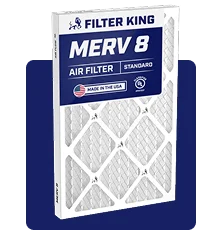
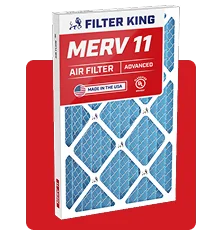
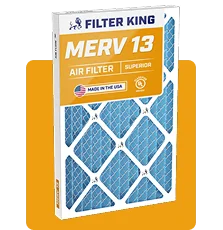
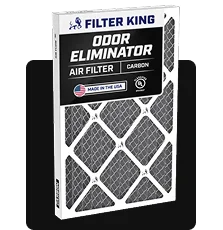

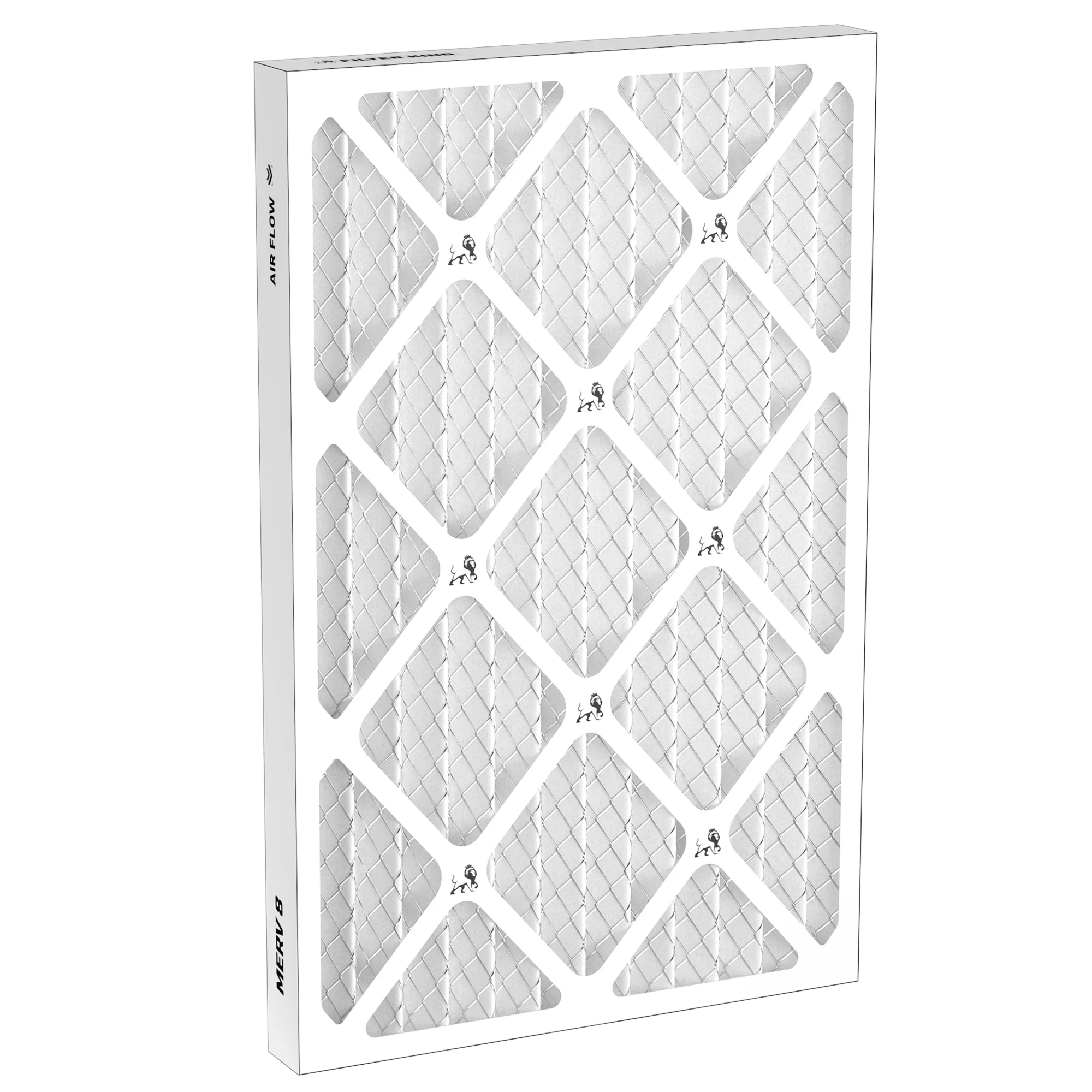
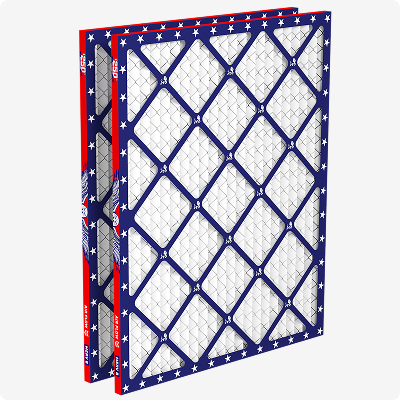
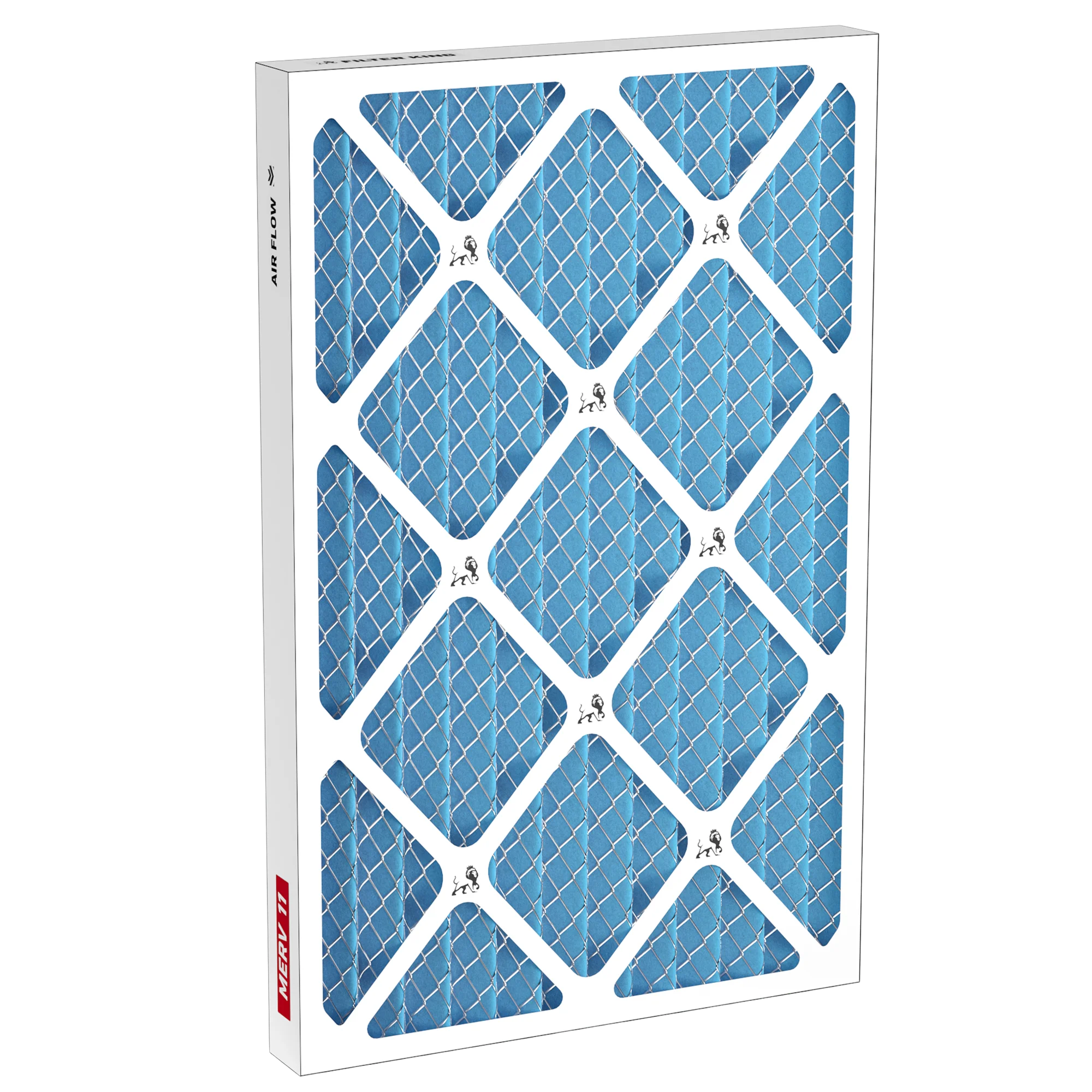
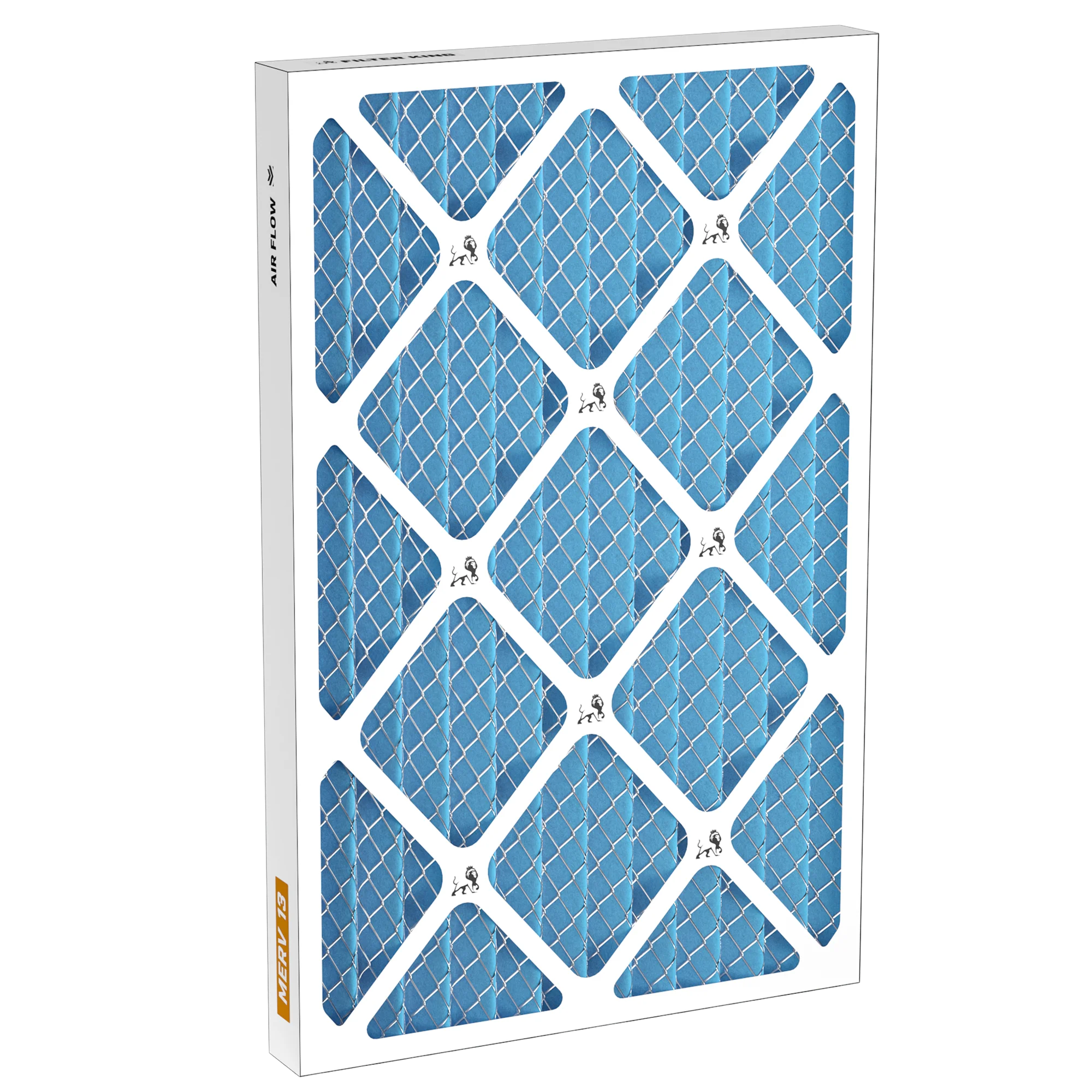
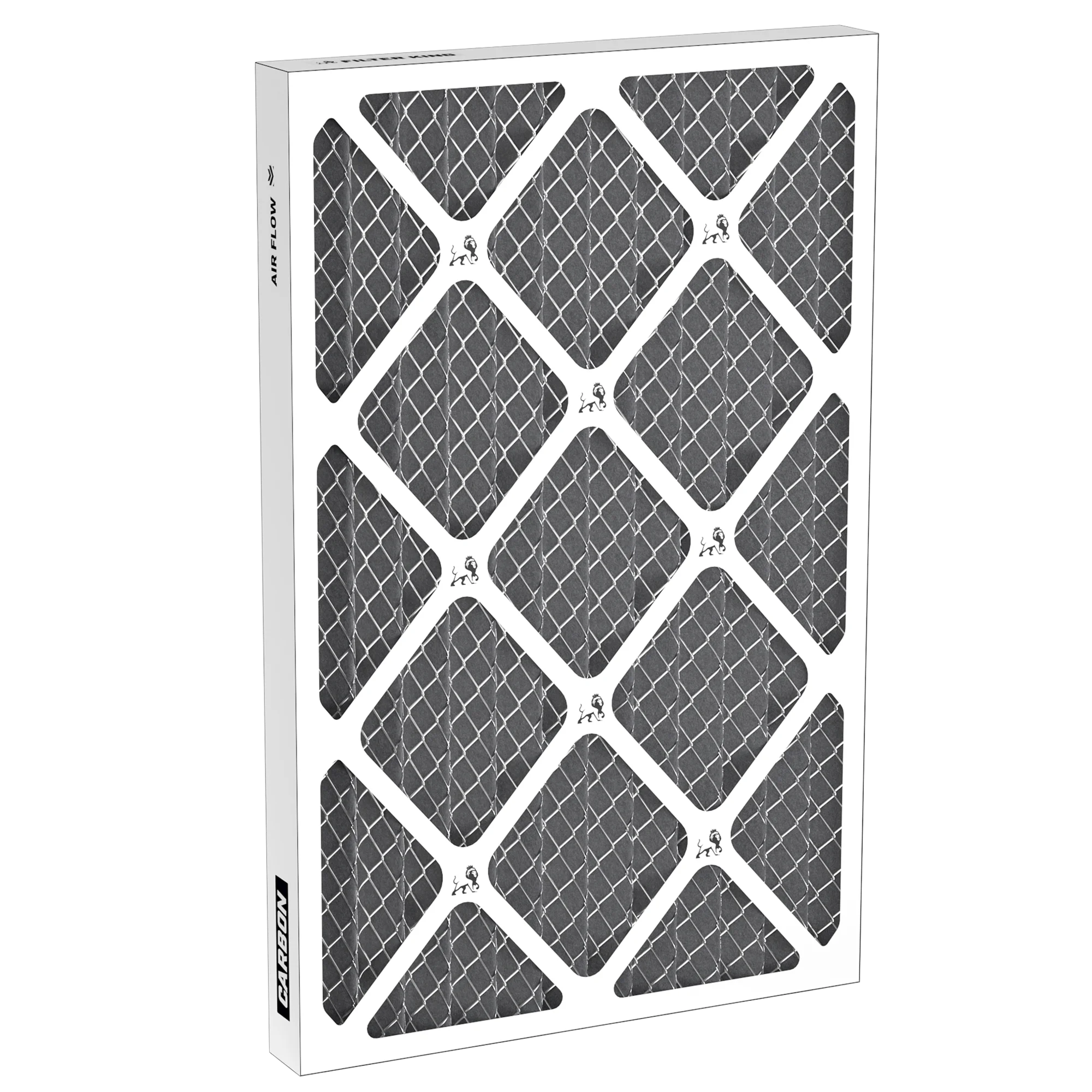




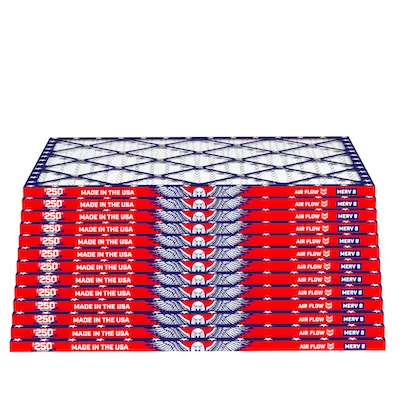
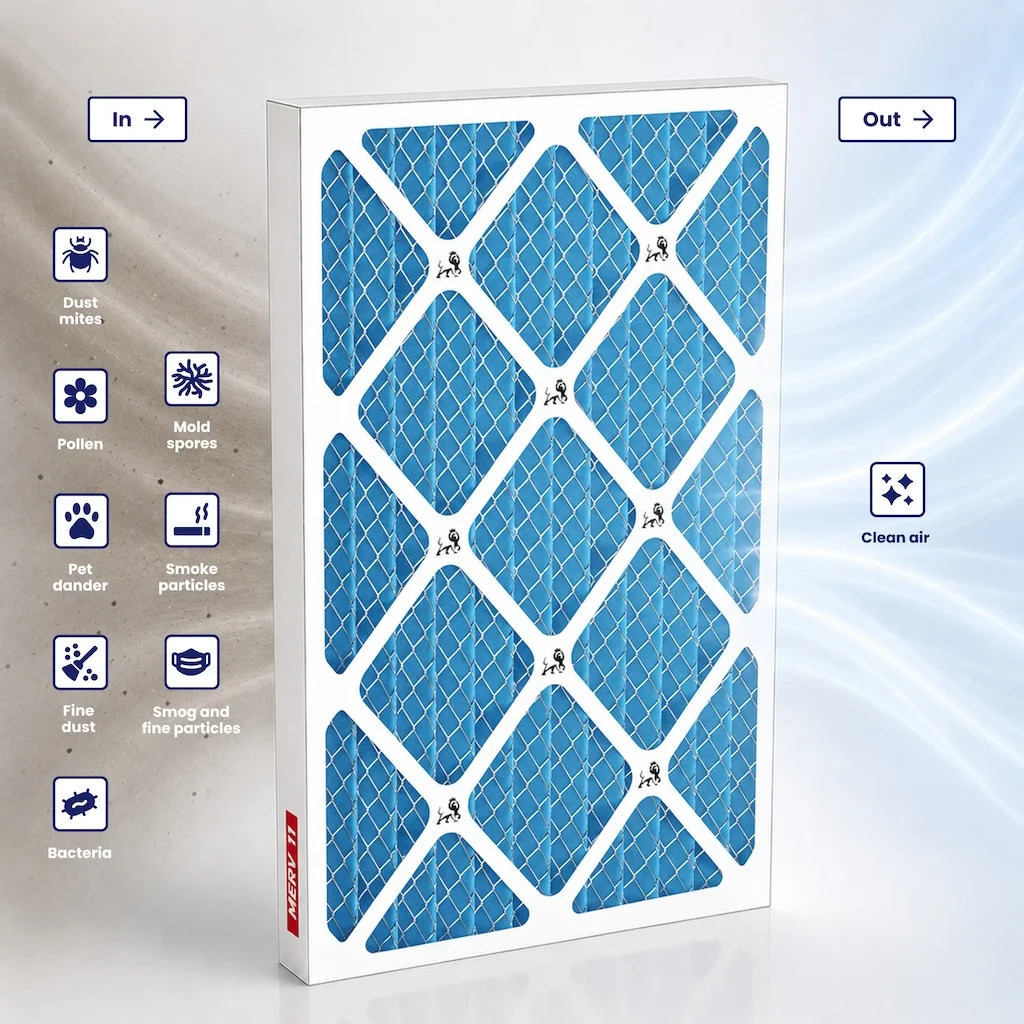
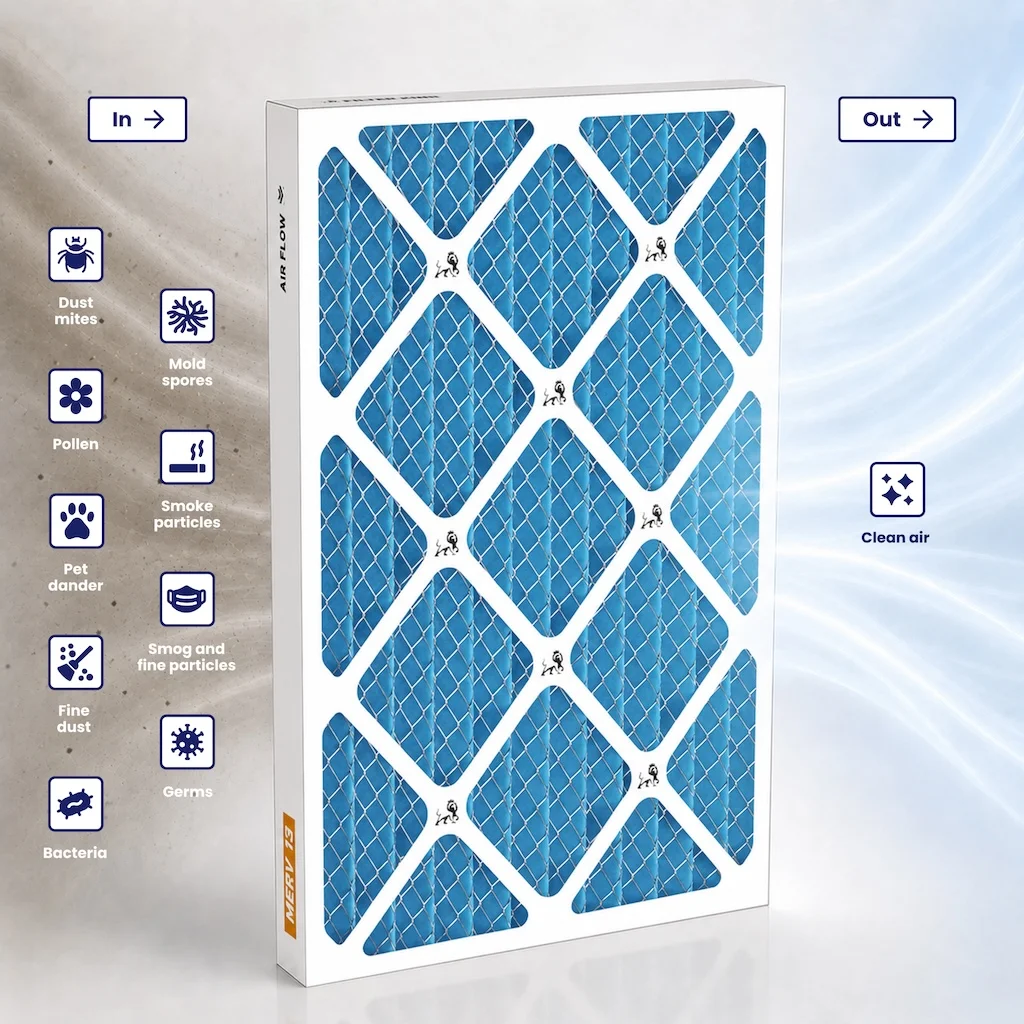
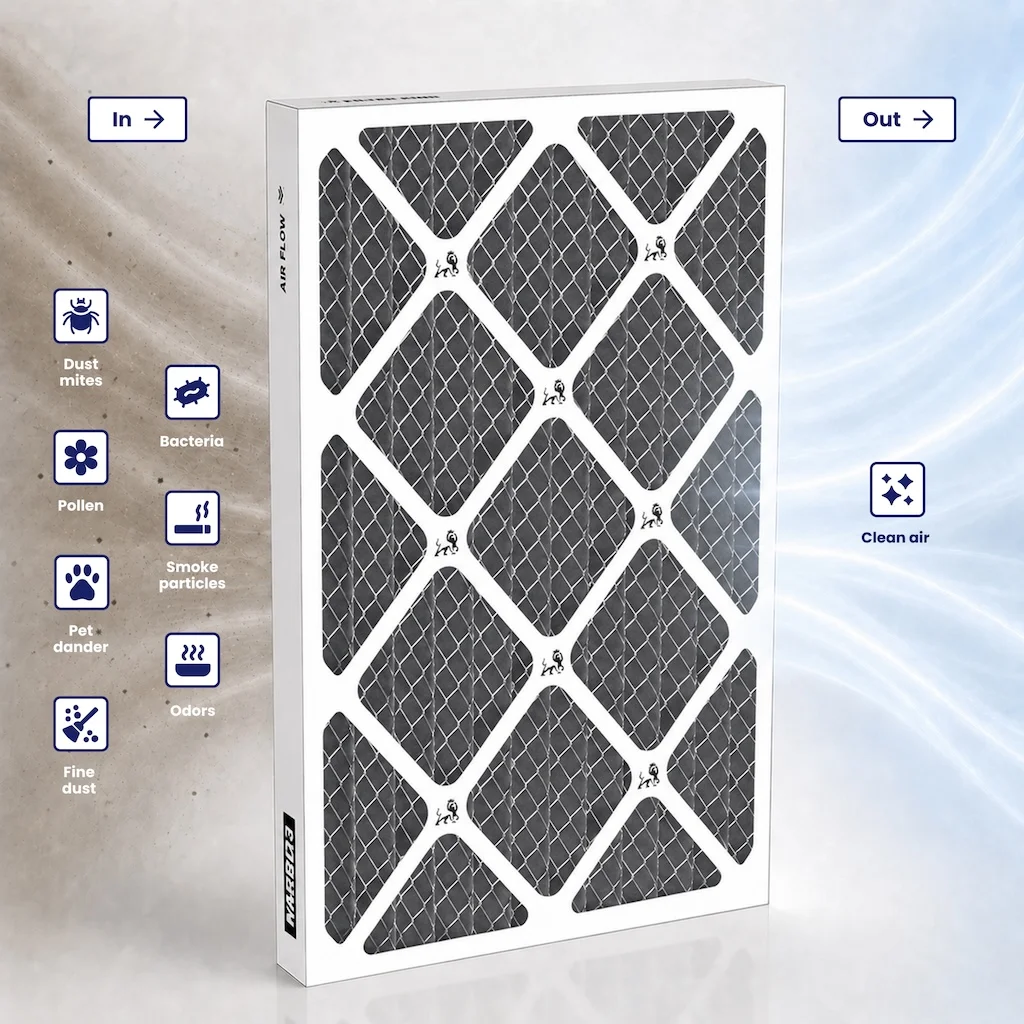



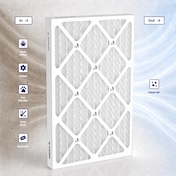
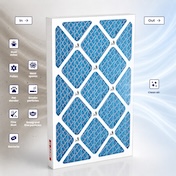
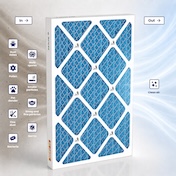
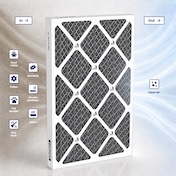
The 16x20x1 air filter is designed for residential furnace and HVAC systems, helping improve indoor air quality while protecting your equipment.
Whether you need a 16x20x1 furnace filter or a high-efficiency HVAC air filter, this size is commonly used and should be replaced every 30–90 days.
Actual size: 15.5 x 19.5 x 0.75 inches
 {{ filter_count }}


Processed quickly, ships fast, free for all orders

Return your items within 30 days and get a full refund

Find your perfect fit with our complete size range
For best indoor air quality, we recommend you change your HVAC or furnace air filters regularly at different times depending on your situation.


Replace your air filter every 6 weeks to minimize the circulation of bacteria and allergens in the air.

Replace air filters every 2 months to reduce odors as well as pet dander and hair buildup in your system.

Replace your air filter every 2-3 months to reduce airborne particles and maintain cleaner indoor air.

Your filter catches dust every day, but it can only hold so much. Once it's full, dirty air keeps circulating and your system has to work harder – leading to problems that spread through your whole home.

A clogged filter makes your system work much harder to push air through. That extra effort shows up on your energy bill.

When air can't flow through, your AC can freeze up in summer and your furnace can overheat in winter.

A dirty filter weakens your system's airflow, so some rooms end up too hot, too cold, or just plain stuffy.
How well does the current selection protect your home?
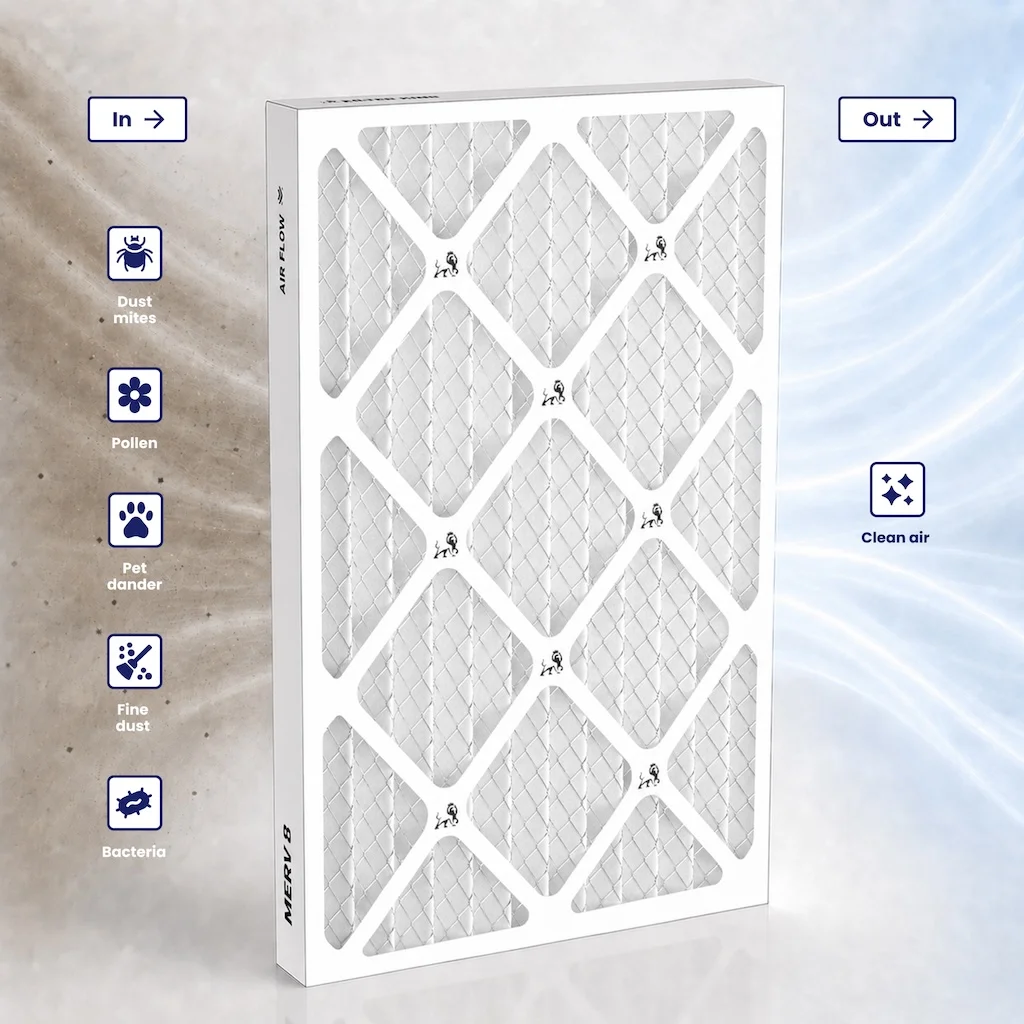
Captures dust mites, pollen, pet dander, lint, and mold spores – up to 90% of common household particles. Does not stop fine dust, smoke, or smog particles under 3 microns.


Captures everything MERV 8 does, plus fine dust, smoke particles, and smog – up to 95% of common particles, including particles as small as 0.1 microns. Does not capture bacteria, virus carriers, or odors.


Captures everything MERV 11 does, plus bacteria and virus carriers – up to 98% of common particles. Does not remove odors, VOCs, or cooking smells.


Captures the same particles as MERV 8 – dust mites, pollen, pet dander, lint, and mold spores – plus smoke particles, odors, gases, and VOCs at the molecular level. Does not capture fine dust, smog, bacteria, or virus carriers.


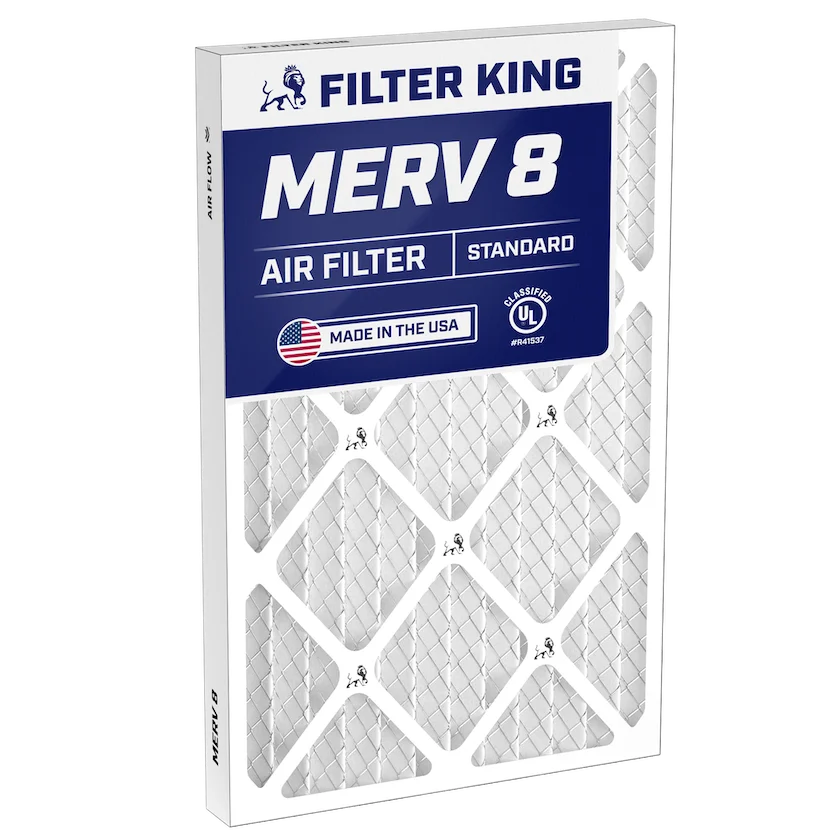
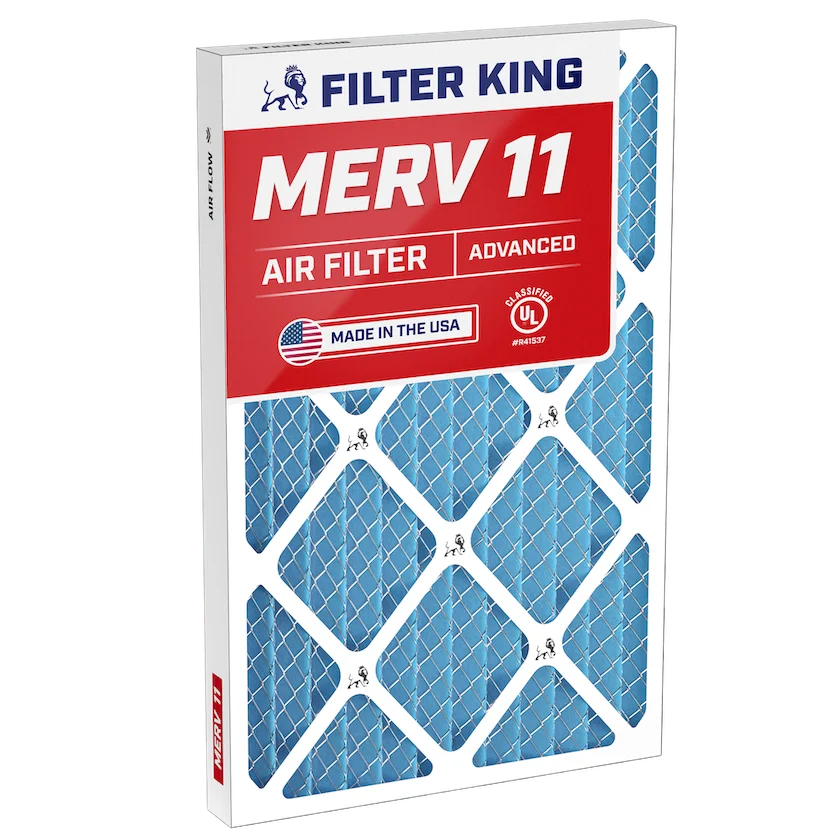
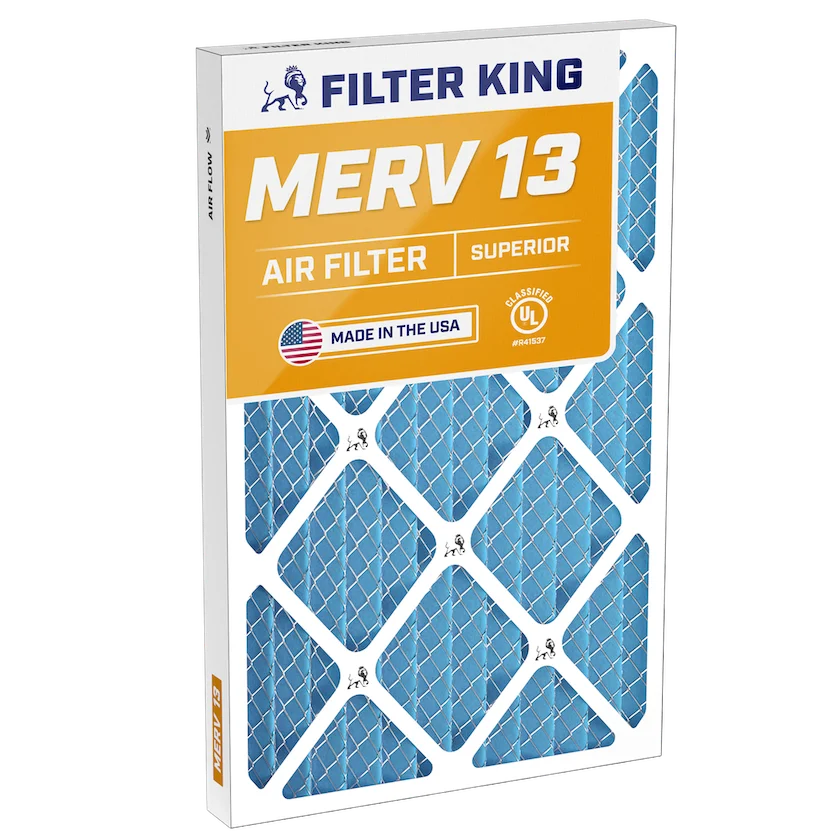
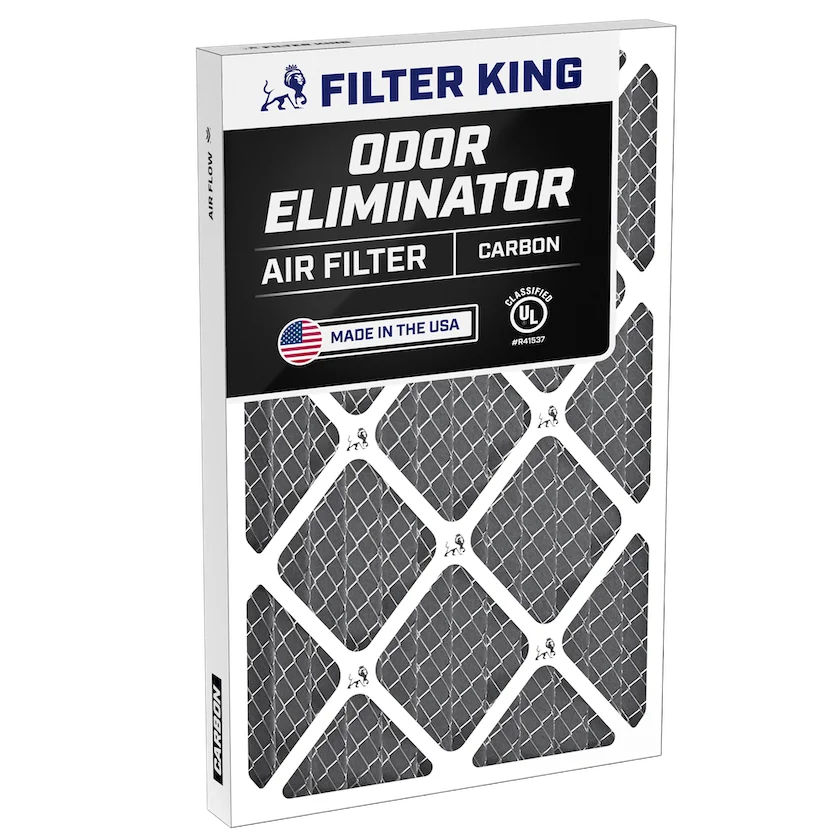


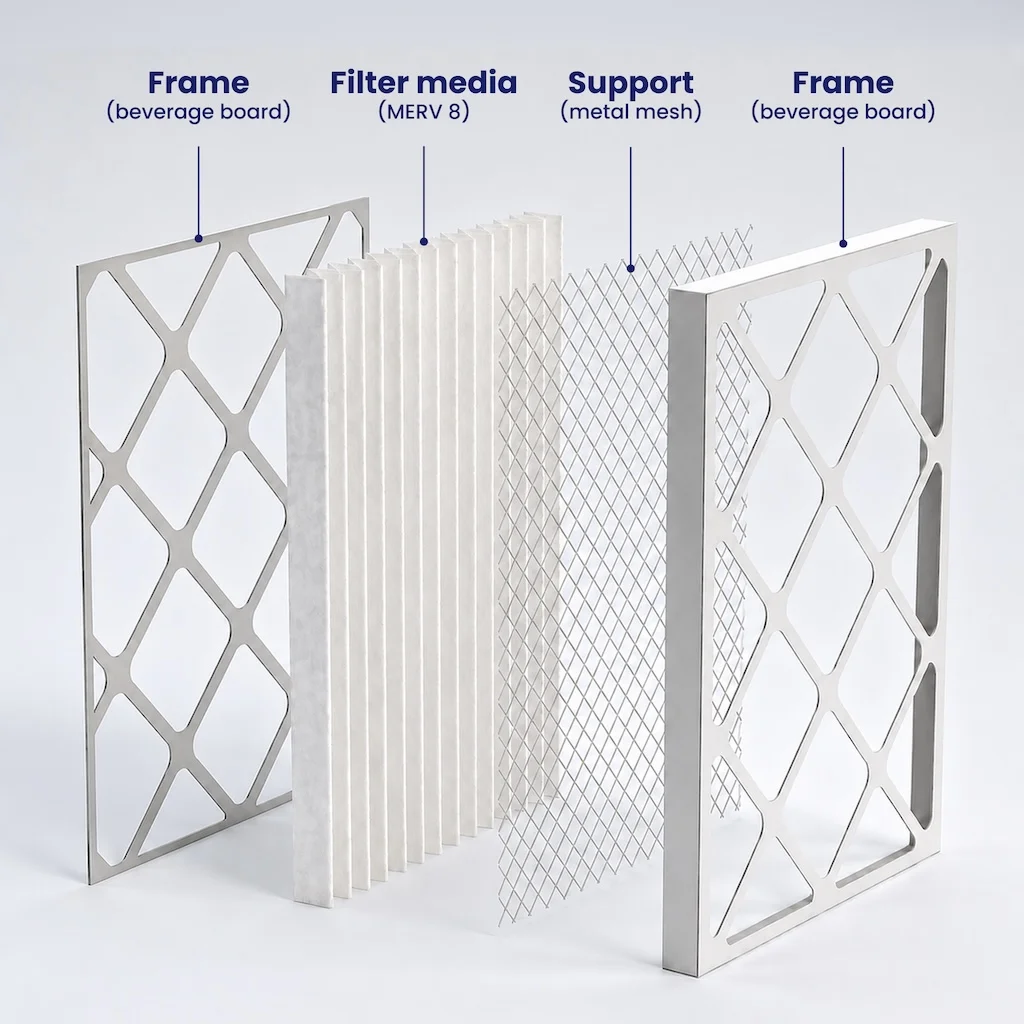
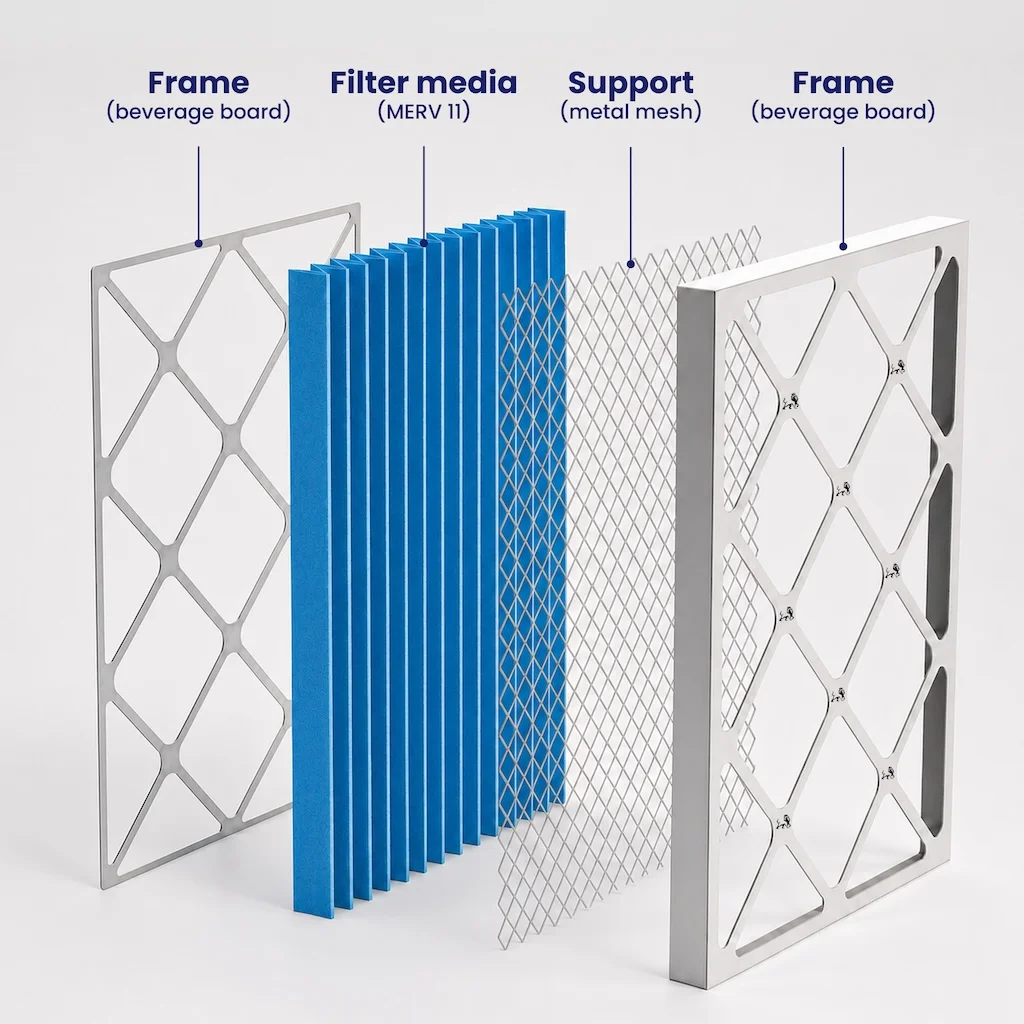
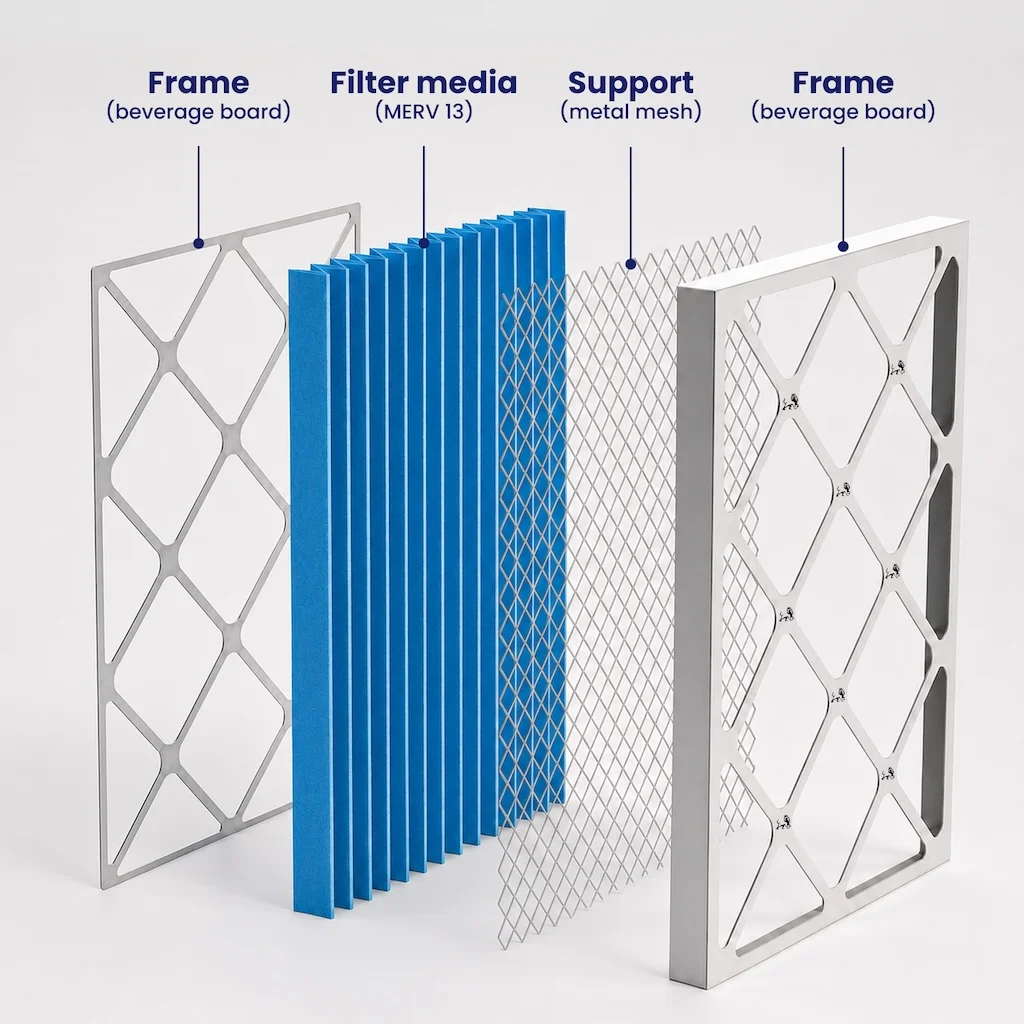
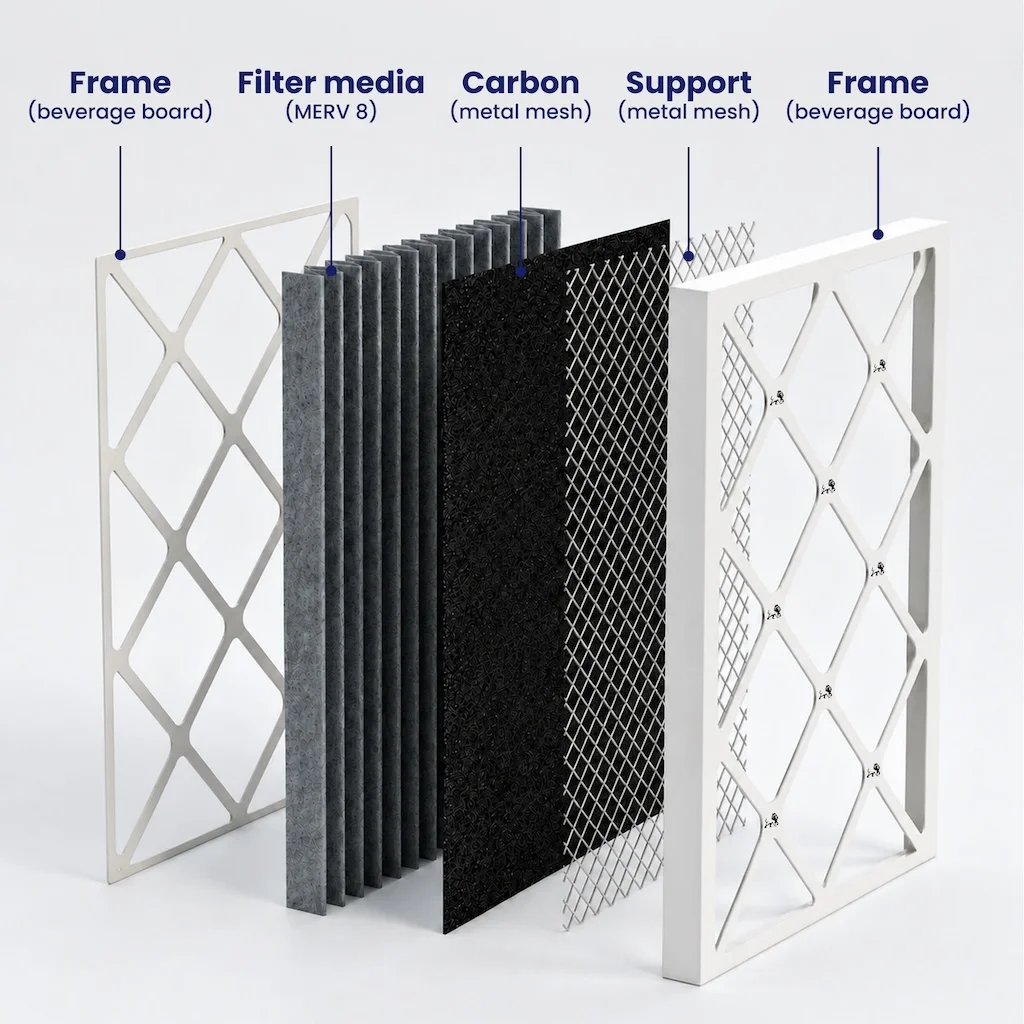
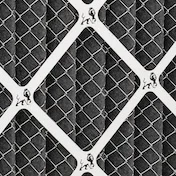
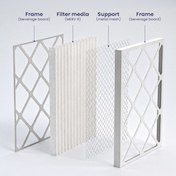
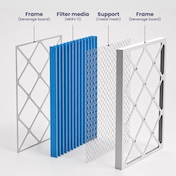
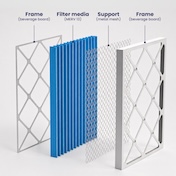
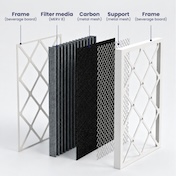
The diagonal straps die-cut into the frame bond to each pleat tip, keeping them evenly spaced so the filter won't bow.
Traps up to 90% of everyday particles like dust mites, pollen, pet dander, and mold spores, while still letting air flow through freely.
Rated to capture up to 95% of common particles, MERV 11 media catches dust mites, pollen, pet dander, and mold spores, as well as fine dust and smoke.
Stops up to 98% of particles passing through, including dust mites, pollen, pet dander, and mold spores, as well as fine dust, smoke, and bacteria.
Traps up to 90% of everyday particles like dust mites, pollen, pet dander, and mold spores, while still letting air flow through freely.
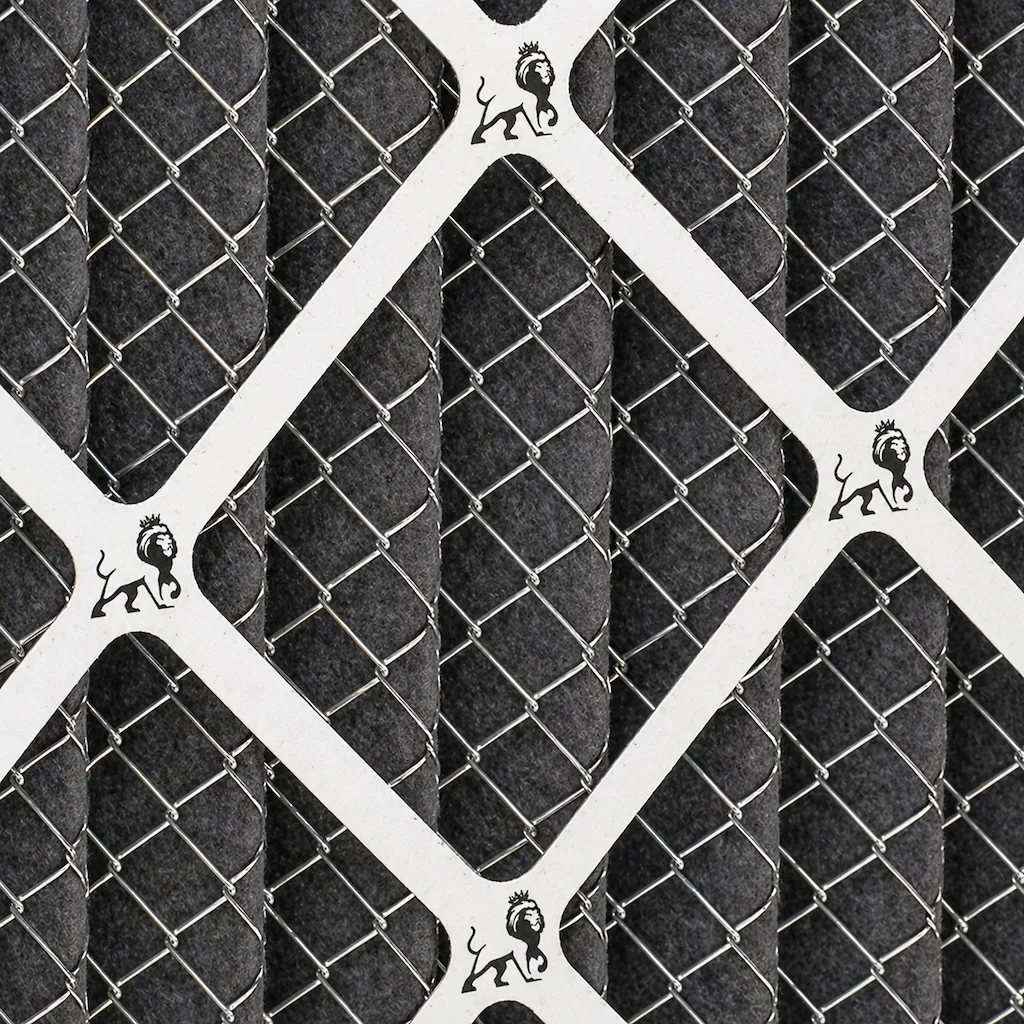
An expanded wire grid bonds to the media, stopping the pleats from shifting or pulling away under airflow.
An expanded wire grid bonds to the media, stopping the pleats from shifting or pulling away under airflow.
An expanded wire grid bonds to the media, stopping the pleats from shifting or pulling away under airflow.
A layer of activated carbon absorbs odor molecules from cooking, pets, and chemical fumes – catching what the filter media alone can't.
The same heavy-duty, moisture-resistant beverage board on the exit side holds its shape and keeps a tight seal in your vent or wall slot.
An expanded wire grid bonds to the media, stopping the pleats from shifting or pulling away under airflow.
Check the label on your current filter or use a tape measure to determine the length, width, and thickness. Just make sure you know the difference between nominal and actual size.
Nominal Size: 16x20x1
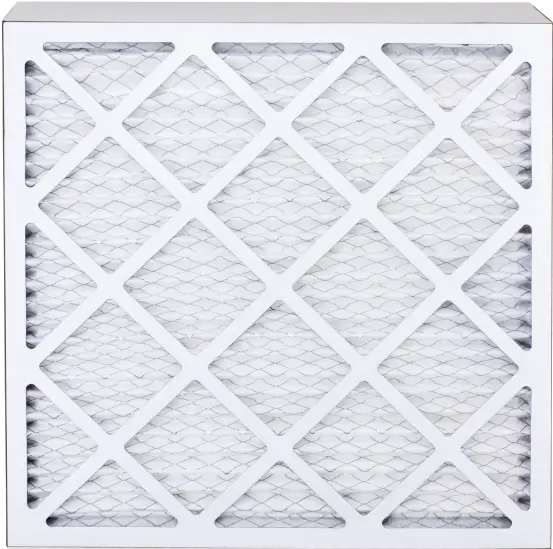
Actual Size: 15.5x19.5x0.75
Nominal size is what you normally see printed on the label. This is usually a rounded size which is often not the true size of your filter.
Actual size is the true size of the air filter, usually written in smaller font below the nominal size.
Measure your current air filter or the length, width, and depth of the opening slot to get the actual size. Round it up to the nearest whole inch to get the nominal size.
Installing 16x20x1 furnace filter or HVAC air filter is easy. Just make sure to align the arrow printed on the side with the airflow direction!
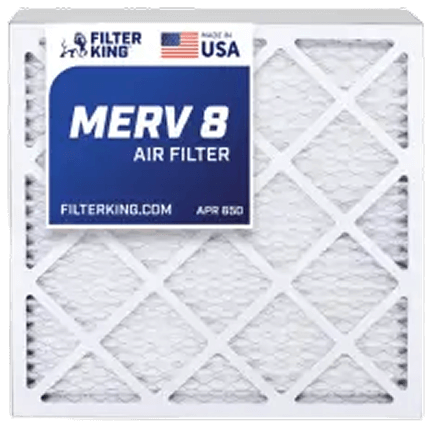
Remove the air filter from the package
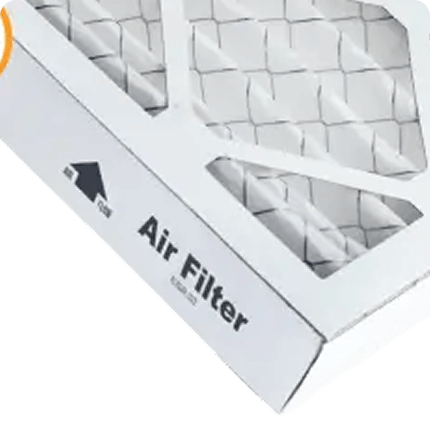
Locate the arrow and point it in the direction of the fan
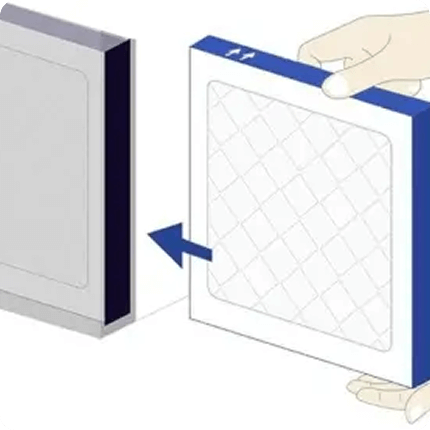
Slide the filter in to the slot of the central unit

For return grills, insert the filter into the grill, pointing the arrow inwards
Never run out of a clean filter – and cancel anytime if your plans change
 Pay full price on every order
Need to remember to reorder every time you run out
Forget to reorder, and a dirty filter can drive up your energy bills.
Pay full price on every order
Need to remember to reorder every time you run out
Forget to reorder, and a dirty filter can drive up your energy bills.
 Get 5% off every order, automatically
New filters arrive right when you need them
Pause, skip, or cancel anytime – no commitment needed.
Get 5% off every order, automatically
New filters arrive right when you need them
Pause, skip, or cancel anytime – no commitment needed.
Not all spaces are large and require ample filter sizes. In fact, one popular compact size for smaller spaces is the 16x20x1 filter. These size air filters are commonly used in smaller residential spaces, such as small homes, apartments and townhouses. This air filter size is uniquely designed to achieve a desired balance between airflow and effective filtration. This size is widely available and more affordable than some custom sizes, making it a popular choice for some smaller residential spaces when this size is needed for proper filtration or to trap particles.
If you are wondering if your system will work with this size filter, you will be happy to know that many HVAC systems use 16x20x1 filters. This includes air conditioners, heat pumps, furnaces and HVAC systems, which basically covers any type of air conditioning or heating system you might have. The standard 1-inch thickness provides easy replacement, meaning you can keep your air cleaner by changing it regularly or as outlined by the manufacturer.
This size of air filter is uniquely suited to small spaces and is especially effective at ensuring a proper fit for effective filtration. A good fit is imperative because when a filter is too large, it fits improperly and can allow unfiltered air to bypass the filtration system and can, in essence, not perform the job for which it's designed. Having an improperly fitted filter can also lead to system damage by causing dust buildup on the internal components. Therefore, you want to ensure that you select the right filter for your system in order to get the most out of your unit. After all, your conditioning and heating unit was likely a substantial investment. You want to protect this investment in as many ways as possible, and a big part of this is proper filter use.
There are several common brands that call for the 16x20x1 filter size. This includes Carrier, Trane, Lennox, Goodman, Rheem, York, American Standard, Bryant, and more. Therefore, if you have any of these common brands or even some that aren't listed, this size is common! It's also worth noting that this size filter is not associated with just one brand or specific model, and instead is determined by the slot size of the filter slot and the equipment manual for the system. If you aren't sure what size your system calls for, remove the old air filter and see what size has been used already. The numbers 16x20x1 indicate an air filter's nominal size or width, depth and length. This is a common size overall, though, and it is called for by a variety of brands.
In addition, the return vent configurations also vary for this size filter. Common configurations include a fixed hinged return, which is when the grille face is attached with a hinge. This means you can swing it open and easily replace your filter and easily change out your air filter. There are also removable door or face options where the grille face can be detached from the frame. This type of configuration usually uses clips or latches to secure the door and is often found on ceilings or in walls. If you get to choose, be sure to ask for an easy configuration to allow you easy, hassle-free access to your filter, so you can stay on top on air filter changes. Helpful Tip: Set yourself a reminder on your phone for regular air filter changes!
In addition to the return configuration and the types of systems and brands that use the 16x20x1, you also should know about the performance characteristics of this air filter size. The optimal filtration will provide good filtration while preventing any sort of damage from constricted airflow. The following are some noteworthy characteristics that will showcase why you might choose this size filter for your system:
The next aspect of this air filter is the all-important MERV rating. MERV ratings are the value given to a filter based on a test method developed by the American Society of Heating, Refrigerating, and Air Conditioning Engineers. Each number means something different in terms of filtration and overall performance. The following is a more in-depth look at the common MERV ratings and the way it is used in various spaces and with different systems, along with some information on system capacity considerations. Read on for more information (all of these MERV ratings are options for the 16x20x1):
It's important to remember that this compact size is not applicable for all systems. If a unit calls for a larger size, it's not a good idea to install a 16x20x1 in hopes of getting more filtration. This might seem a way to clear more particles, but it doesn't work like that. In reality, to keep the air clear, it's important for you get the correct size on a new filter and a MERV rating that does what you need it to do but doesn't put excessive wear on your system due to airflow restrictions.
After learning of the systems that this filter will work with, along with the optional MERV ratings to choose from and other information, it's helpful to consider the common applications of this sized air filter. It is a slightly smaller size than is called for in larger residential or office settings or a store. However, this size offers many benefits and noticeable improvement in air quality when in specific settings. They are as follows:
Small or starter homes: The National Association of Home Builders classifies homes between 400 and 1,000 square feet as small. Some other experts, though, expand this number up to 1,500 square feet, making this size fit into the small home category as well. This sized home is a great example of the type of space that would benefit from a 16x20x1 air filter size. If your home is around this size, your house is a good example of a place suited to this size air filter.
Small condos and apartments: Another common application for this size of air filter is within small condos or apartments. Many Americans now live in condos or apartments instead of single-dwelling homes. Some 44 million Americans are renter according to Self. So, this is yet another example of a beneficial use for these more compact air filters, small condos, and apartments.
Manufactured homes and mobile homes: More and more Americans are now purchasing mobile homes or manufactured homes, with numbers of over 20 million Americans according to HUD. They are great examples of spaces that generally do well with a 16x20x1 sized air filter. If you have a mobile home or manufactured home, there is a good chance your space would benefit from this size air filter.
Compact HVAC installations: Another use of the 16x20x1 air filter is found alongside compact HVAC installations. These are small systems designed for small spaces and can include ductless systems of mini-splits or even those that are designed to condition zones or single rooms.
Guest houses and in-law suites: Because guest houses and in-law suites are usually small spaces set slightly apart from a larger residence, they are ideally suited for this size air filter. Many of these spaces have their own dedicated heating and cooling systems that allow the residents to alter temperature and more based on preference.
Now that you have determined that a 16x20x1 air filter is a good idea for your space, the next step in the process it determine what type of MERV level and specific design of air filter you want to use within your space. Your lifestyle habits, how many people reside in your home and the presence of pets can have a bit impact on this decision. Read on to learn more:
Now that you have looked at why this filter size might be right for you and the rating or specific type that would work best, it's good to note how often these filters have to be replaced. They aren't a set in place and forget it kind of thing, although some do last longer than others. The typical lifespan for this size air filter is 30-90 days. There are factors that affect longevity, like the number of people or pets living in a space, the outdoor air quality, humidity and climate and your lifestyle habits. The amount of time your system will also impact the longevity of your filter. The longer your system and the more often it cuts on and off, the more air is being filtered, which will lead the filter to accumulating more dust and debris, quicker.
Generally, this small size might need more frequent changes because the surface area is smaller and will require new filters more often. The following are some signs to review that indicate your 16x20x1 filter needs changing:
As mentioned above, setting an alarm on your phone to remind you to change your air filter is a better idea than waiting for these signs.
The most common locations to find these filters are either on the ceiling or on a wall. When installing these filters, it's key to discover this location and then remove the existing filter. Ensure proper fit in 16x20x1 slots by checking around the edges. It should be a snug fit, slide into place, but not bend the filter itself. Make sure to verify the correct airflow direction. There is an arrow on the side of the filter that indicates what direction it should be placed. Obviously, you might not be able to change the location of these filters, but learning where they are is important and key to keeping a good eye on their condition.
Cost is always important. However, although the purchase price of each individual filter is a key factor and does matter, it is not the only aspect you should analyze. For example, per-air filter cost might be lower, but the filter not as good quality, so you find yourself replacing it more frequently. Ideally, you want to aim for bulk purchasing and subscription benefits for the most savings on high-quality filters and regular delivery, allowing you to store up filters for future use. You will also need to consider the MERV type and determine how often that particular filter will need to be changed. Each type will vary on how frequently they will typically need to be changed for clean air.
Now that you have learned why this filter is a great size for many spaces and determined other characteristics that go along with this size air filter, it's time to consider what brand to buy. We at Filter King offer MERV value certifications and accuracy while ensuring optimal construction standards on our 16x20x1 compact air filters. We also offer precise 16x20x1 dimensions guarantee, along with optimized pleat count for this size air filter, and regular stock of this filter size. Overall, this means you are getting a cheaper, more convenient way to maintain the health of your heating and cooling unit and to create optimal airflow in your home.
When making your filter decisions, you want to consider the following basic points:
The actual size of a 16x20x1 is smaller than the nominal size with measurements. In our case it's 15.5 x 19.5 x 0.75 inches.
You should replace your 16x20x1 air filter every 1 to 3 months generally. However, with different basic factors like pets and smoking, this guideline might need to be increased to a more frequent basis for clean air.
No, you cannot wash and reuse your pleated filter from Filter King.
Yes, when compared to filters that are lower rated, the MERV 13 will restrict some airflow. That isn't always a bad thing, though. Instead, it's something to factor into your choice on filter types.
Your 16x20x1 filter gets dirty faster than larger filters because there is less surface level to cover and get clogged up.
Yes, 16x20x1 filters are generally suitable for small apartments.
No, not all 16x20x1 filters have the same pleat count. This will depend on the MERV value and factors like whether it's an odor eliminator filter and more.
The best MERV rating for your small home is likely MERV 8. This is at least a good place to start as it offers a good balance between filtration and airflow. However, it isn't the only choice. If you have allergies or other respiratory conditions, then a MERV 11 or even MERV 13 might be more beneficial for clean air and as an odor eliminator.


 MERV 8 filters