




Totals
${{ totalOrderSum() }}
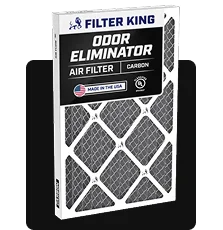

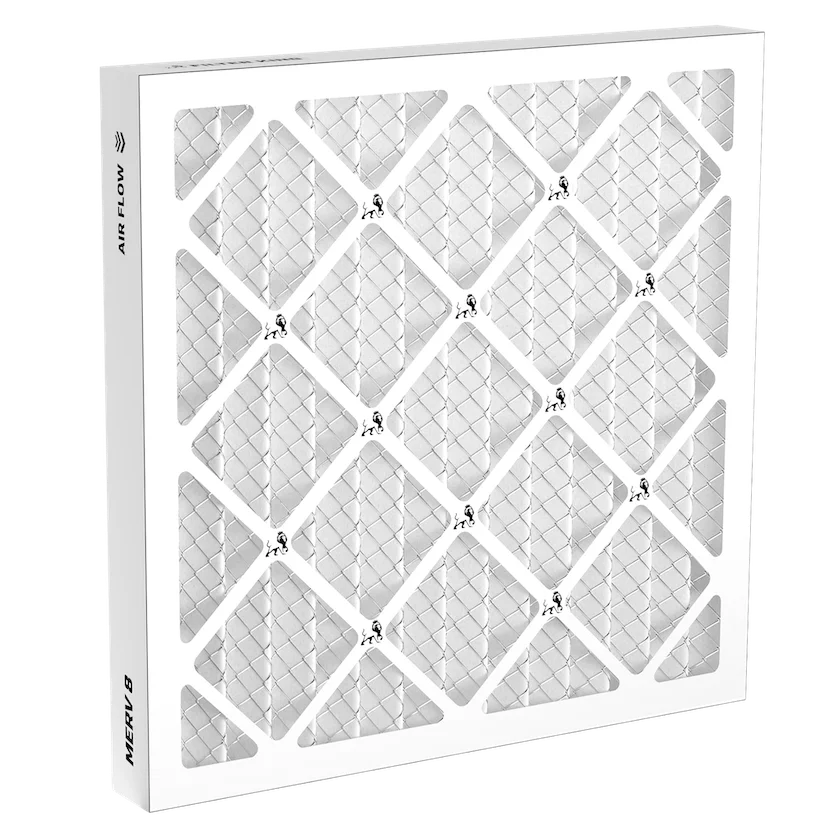
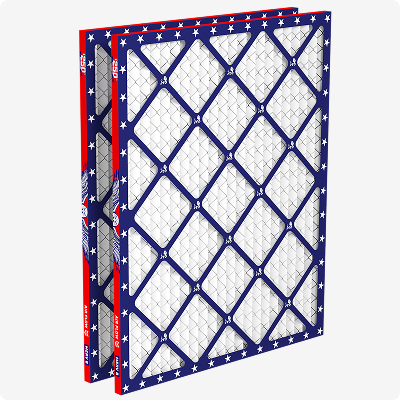
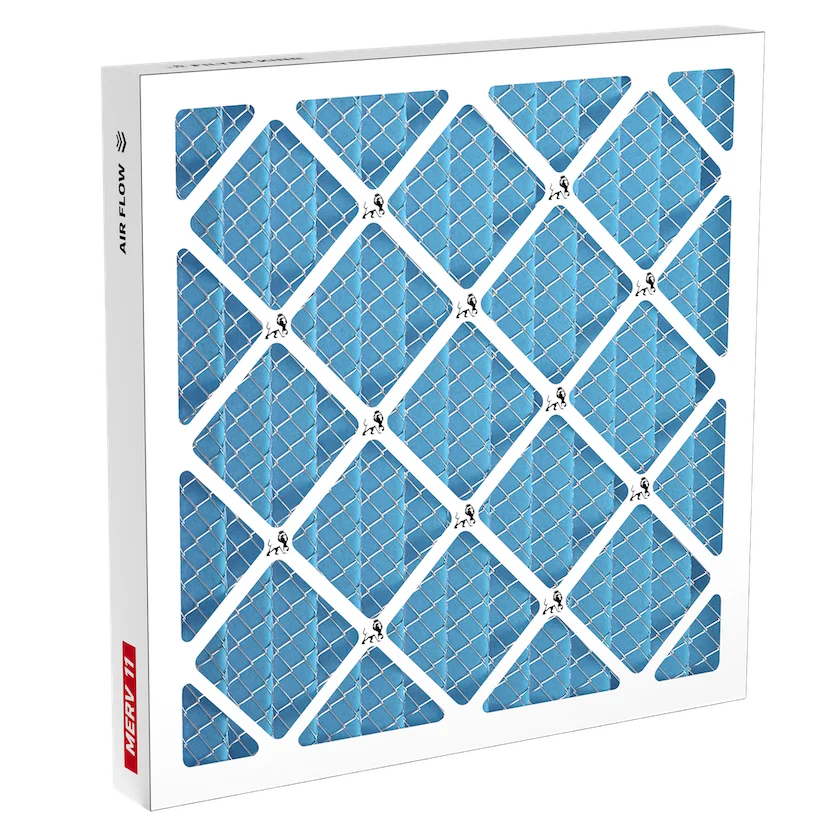
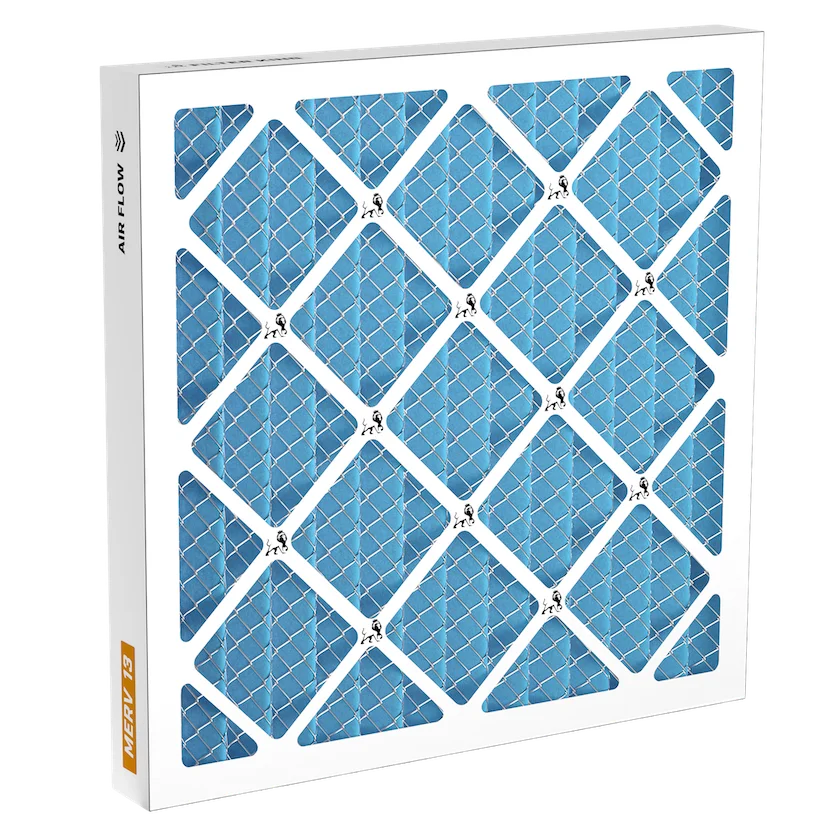
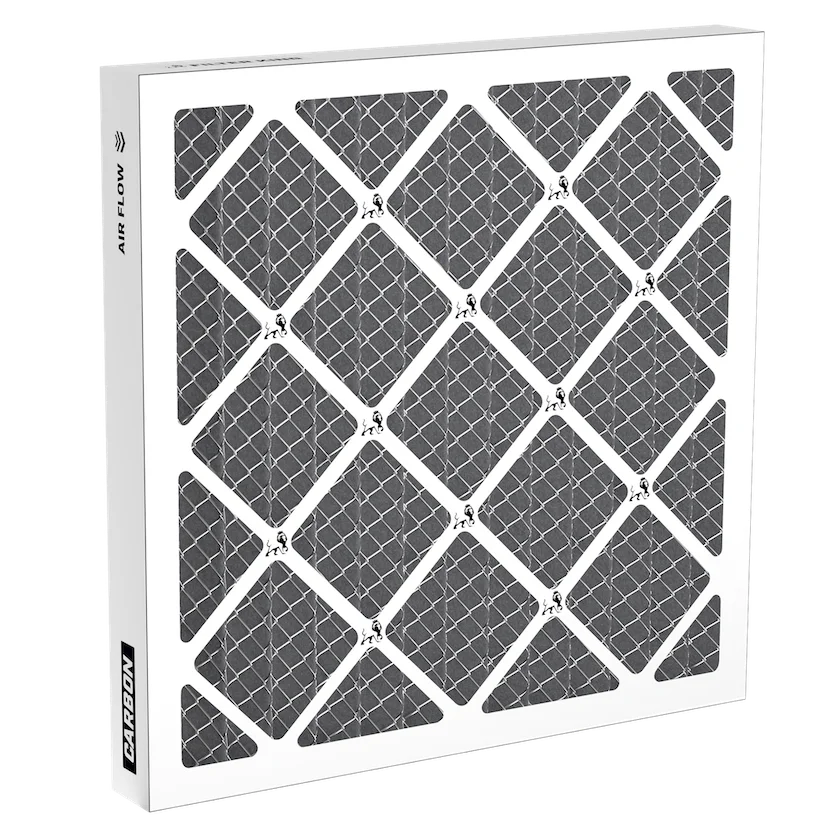



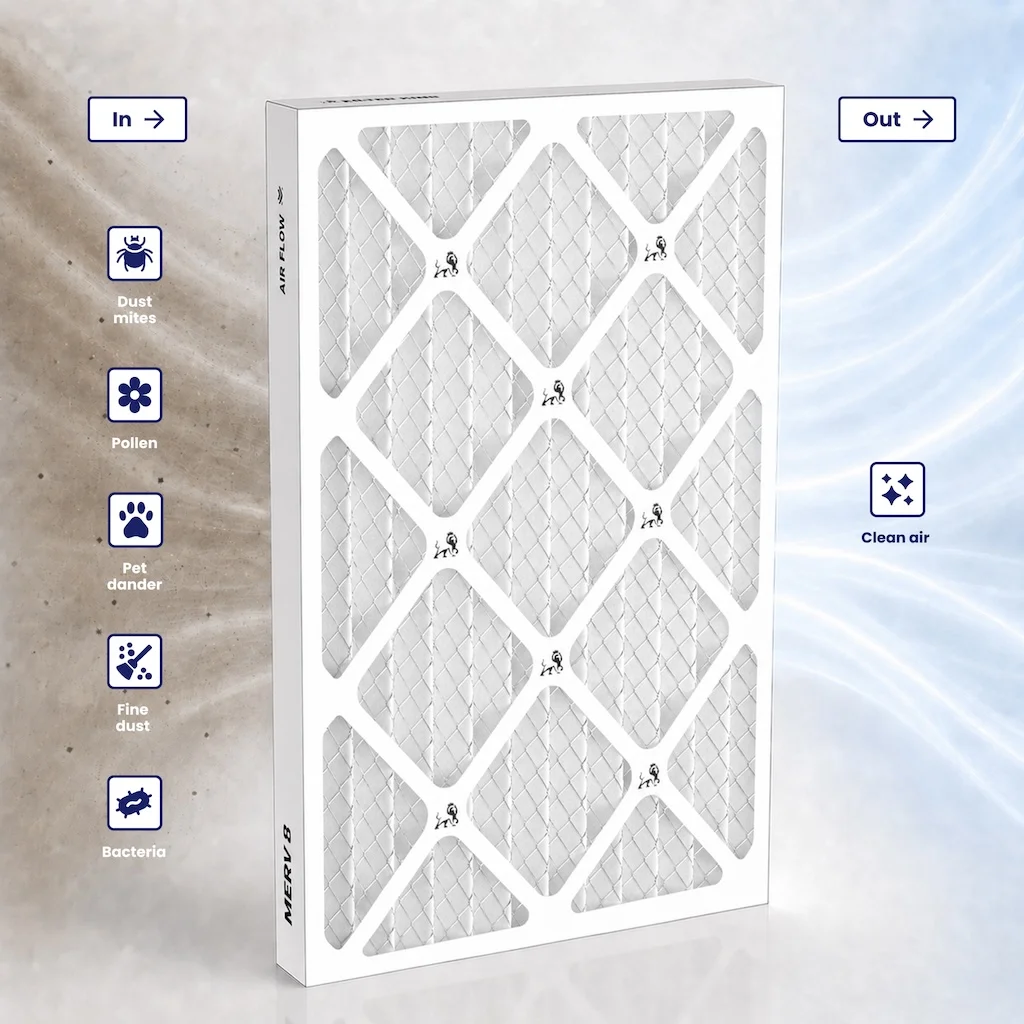
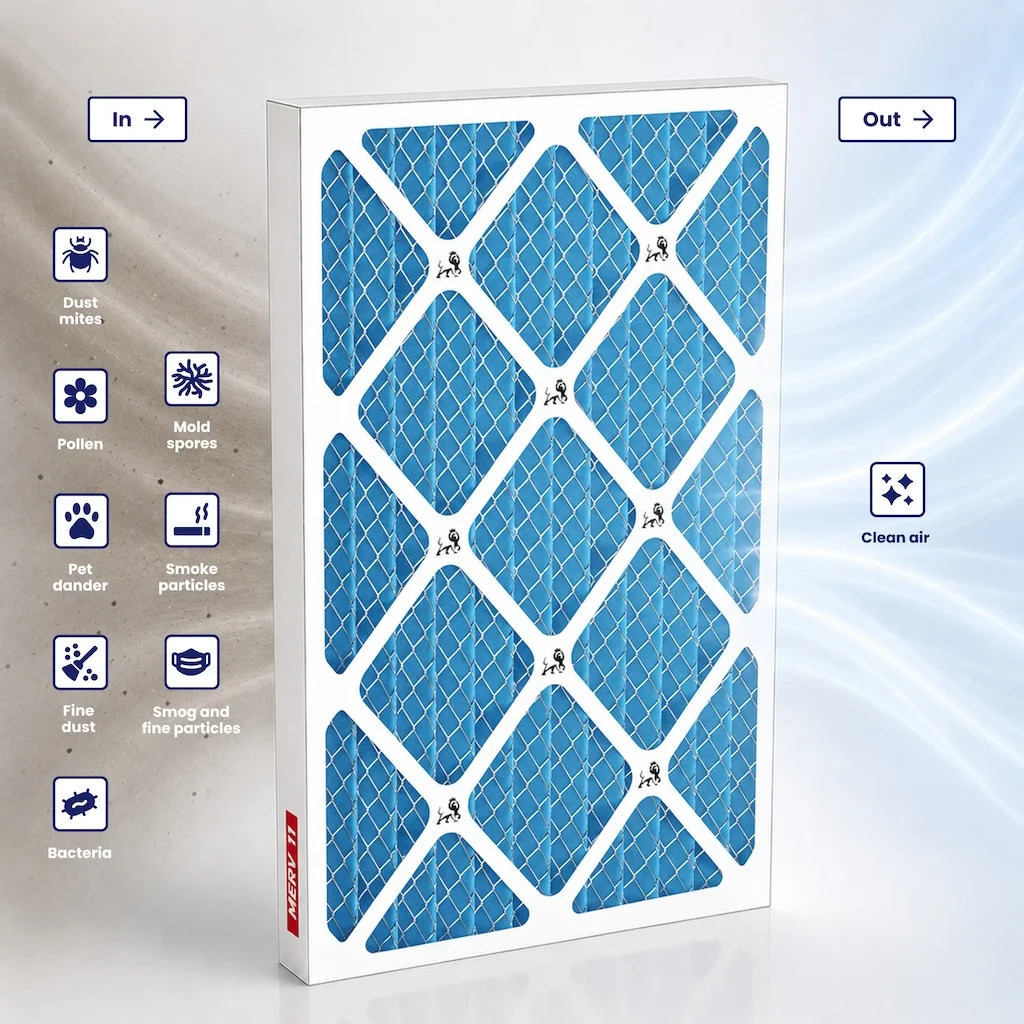
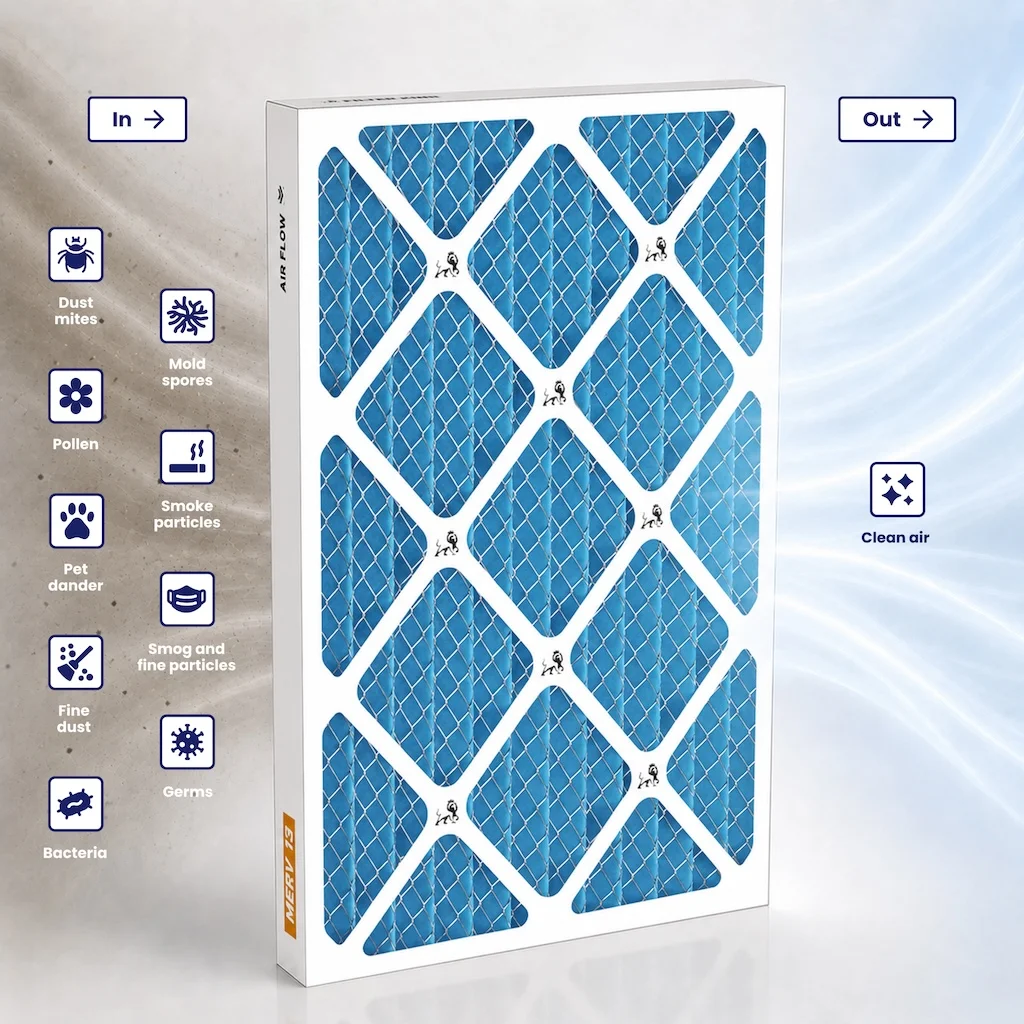

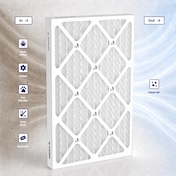
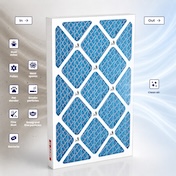
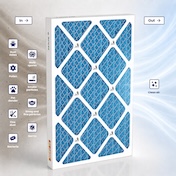
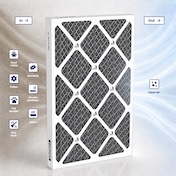
The 14x14x1 air filter is designed for residential furnace and HVAC systems, helping improve indoor air quality while protecting your equipment.
Whether you need a 14x14x1 furnace filter or a high-efficiency HVAC air filter, this size is commonly used and should be replaced every 30–90 days.
Actual size: 13.5 x 13.5 x 0.75 inches
 {{ filter_count }}


Processed quickly, ships fast, free for all orders

Return your items within 30 days and get a full refund

Find your perfect fit with our complete size range
For best indoor air quality, we recommend you change your HVAC or furnace air filters regularly at different times depending on your situation.


Replace your air filter every 6 weeks to minimize the circulation of bacteria and allergens in the air.

Replace air filters every 2 months to reduce odors as well as pet dander and hair buildup in your system.

Replace your air filter every 2-3 months to reduce airborne particles and maintain cleaner indoor air.

Your filter catches dust every day, but it can only hold so much. Once it's full, dirty air keeps circulating and your system has to work harder – leading to problems that spread through your whole home.

A clogged filter makes your system work much harder to push air through. That extra effort shows up on your energy bill.

When air can't flow through, your AC can freeze up in summer and your furnace can overheat in winter.

A dirty filter weakens your system's airflow, so some rooms end up too hot, too cold, or just plain stuffy.
How well does the current selection protect your home?
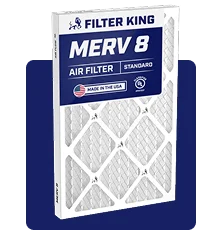
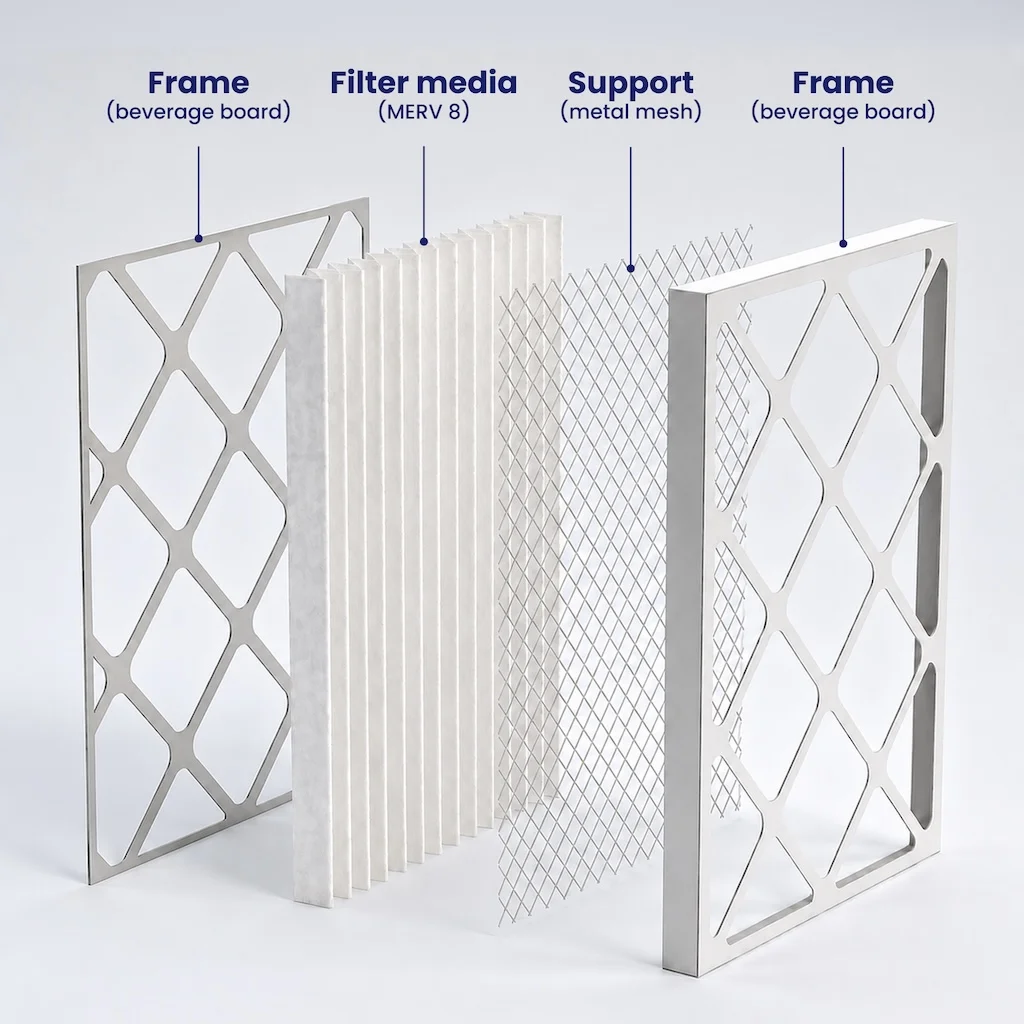
Captures dust mites, pollen, pet dander, lint, and mold spores – up to 90% of common household particles. Does not stop fine dust, smoke, or smog particles under 3 microns.


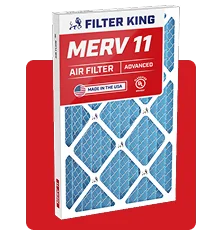
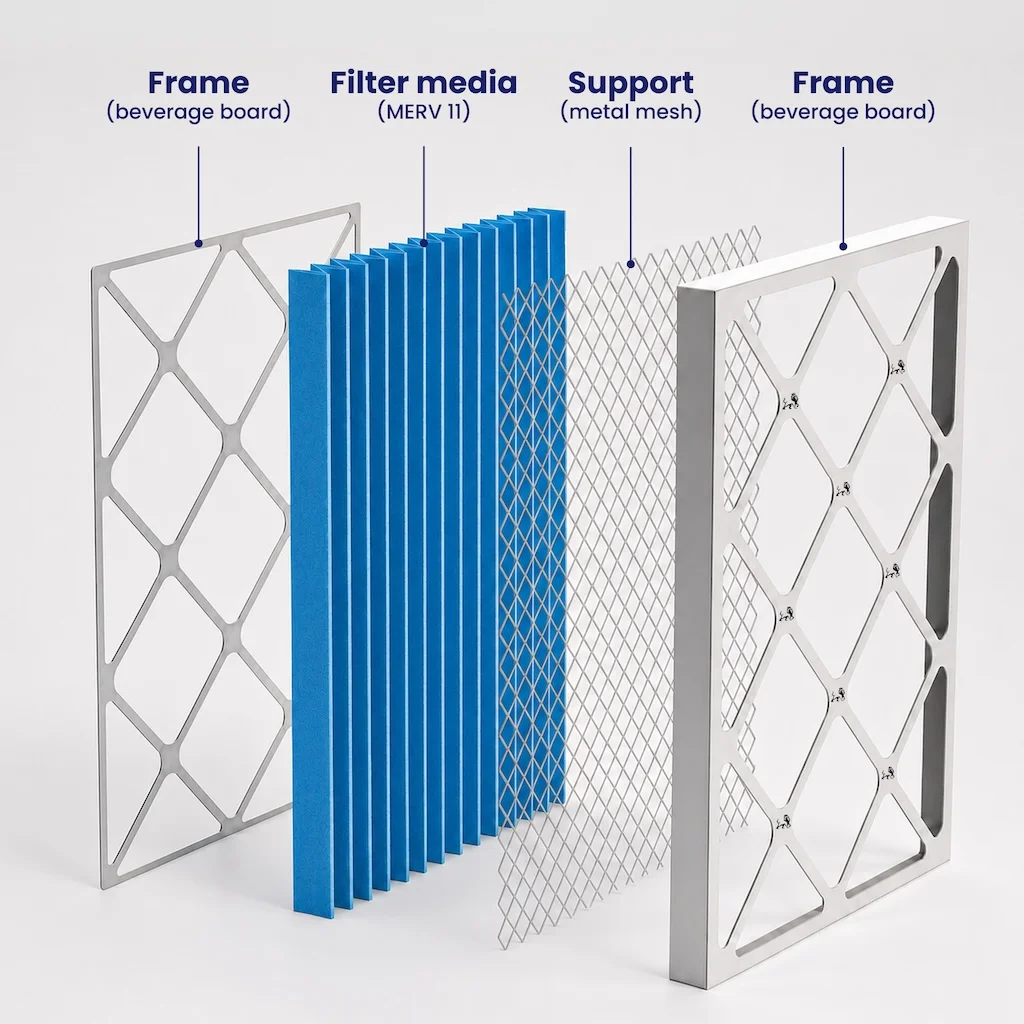
Captures everything MERV 8 does, plus fine dust, smoke particles, and smog – up to 95% of common particles, including particles as small as 0.1 microns. Does not capture bacteria, virus carriers, or odors.


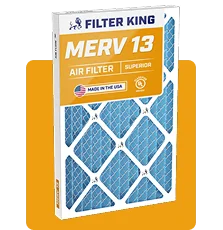
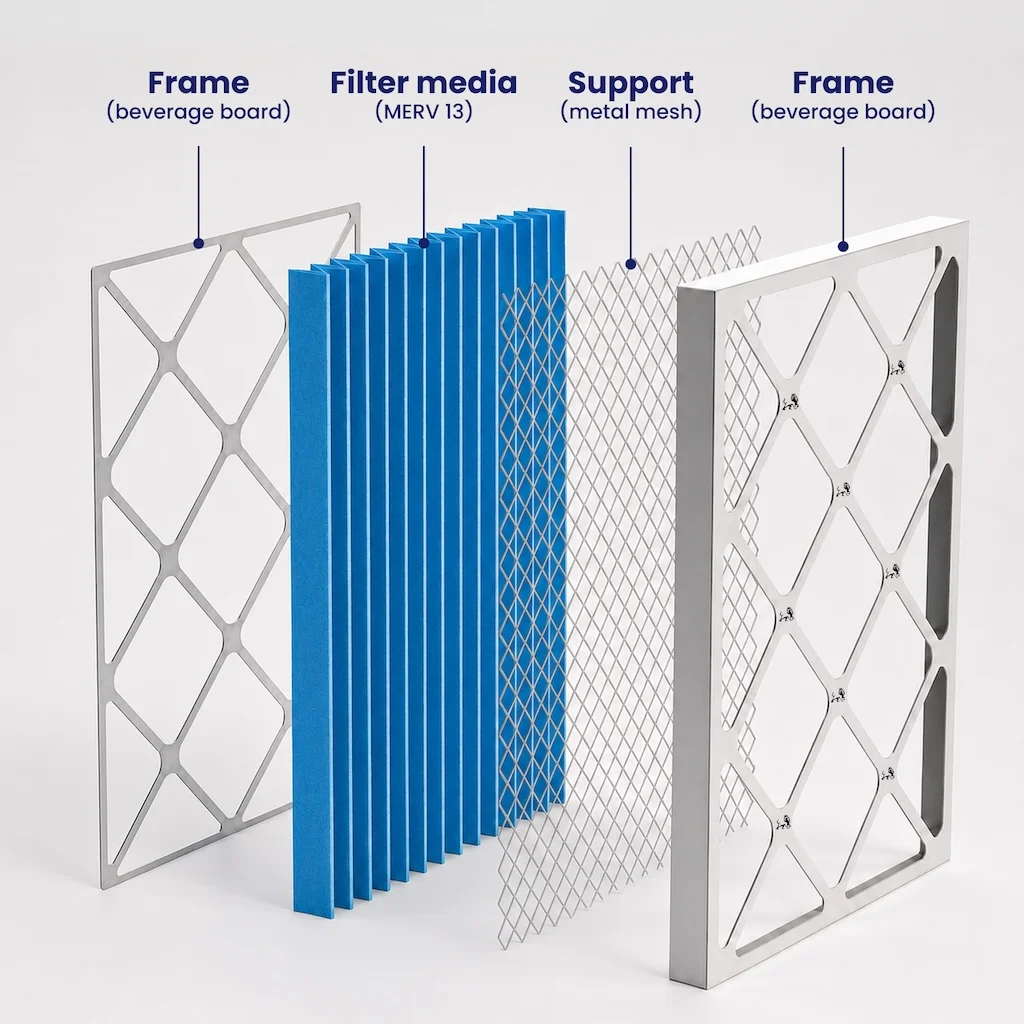
Captures everything MERV 11 does, plus bacteria and virus carriers – up to 98% of common particles. Does not remove odors, VOCs, or cooking smells.


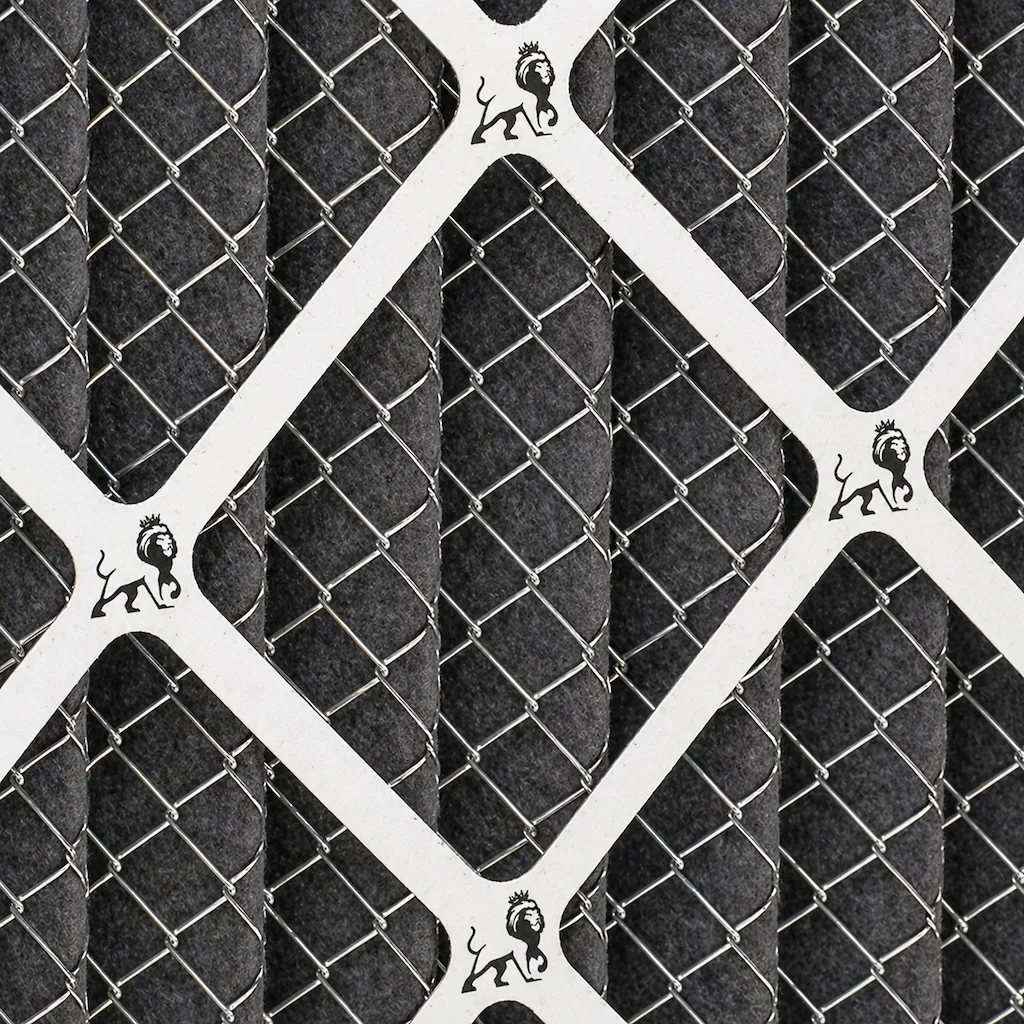
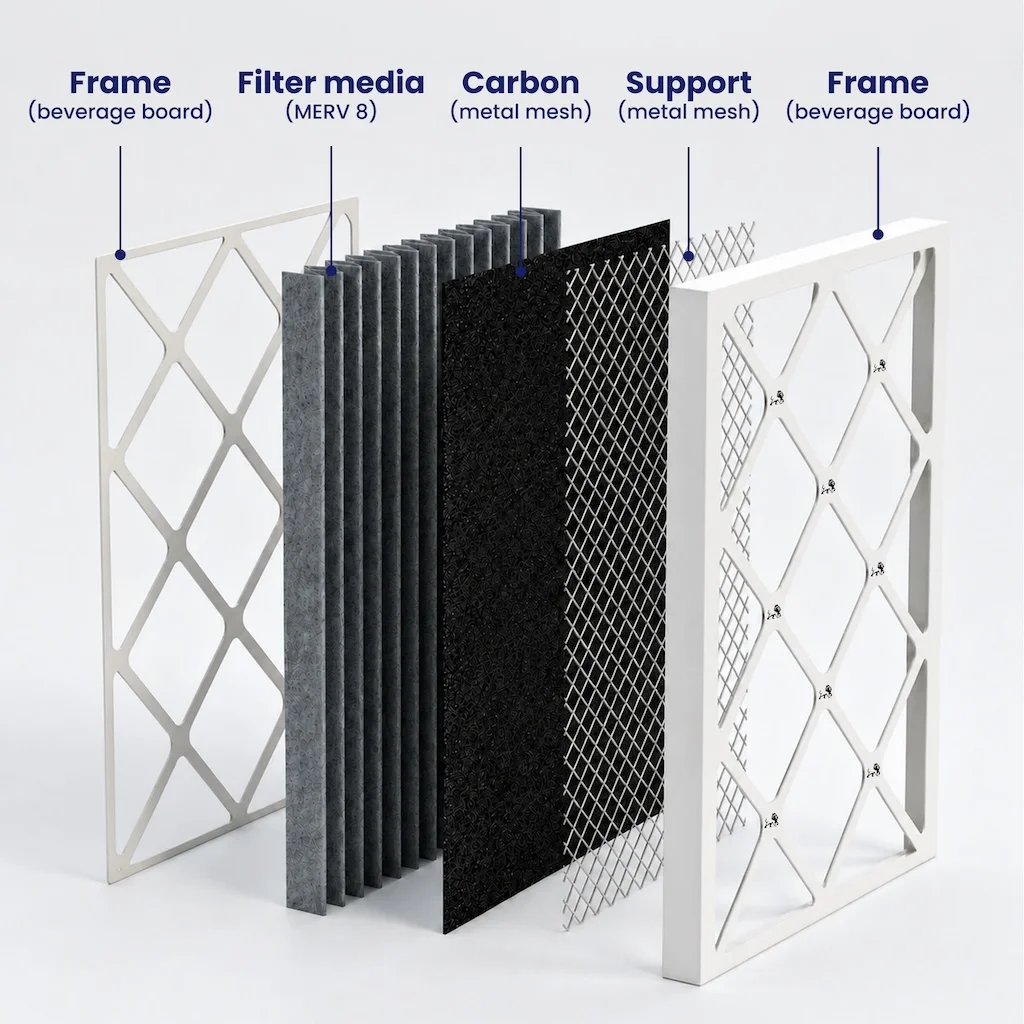
Captures the same particles as MERV 8 – dust mites, pollen, pet dander, lint, and mold spores – plus smoke particles, odors, gases, and VOCs at the molecular level. Does not capture fine dust, smog, bacteria, or virus carriers.


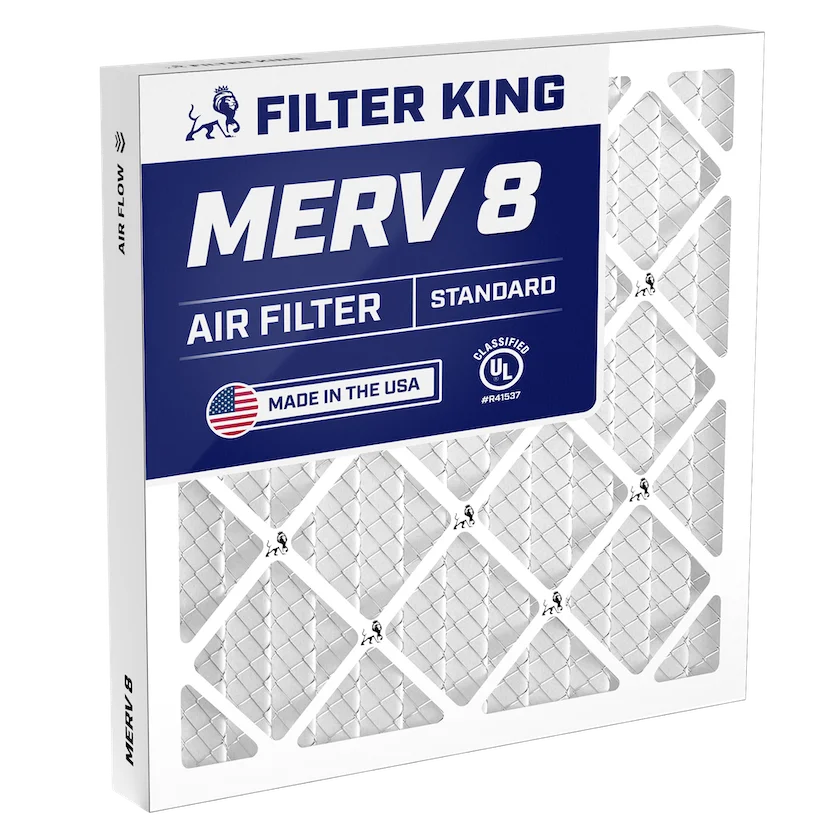
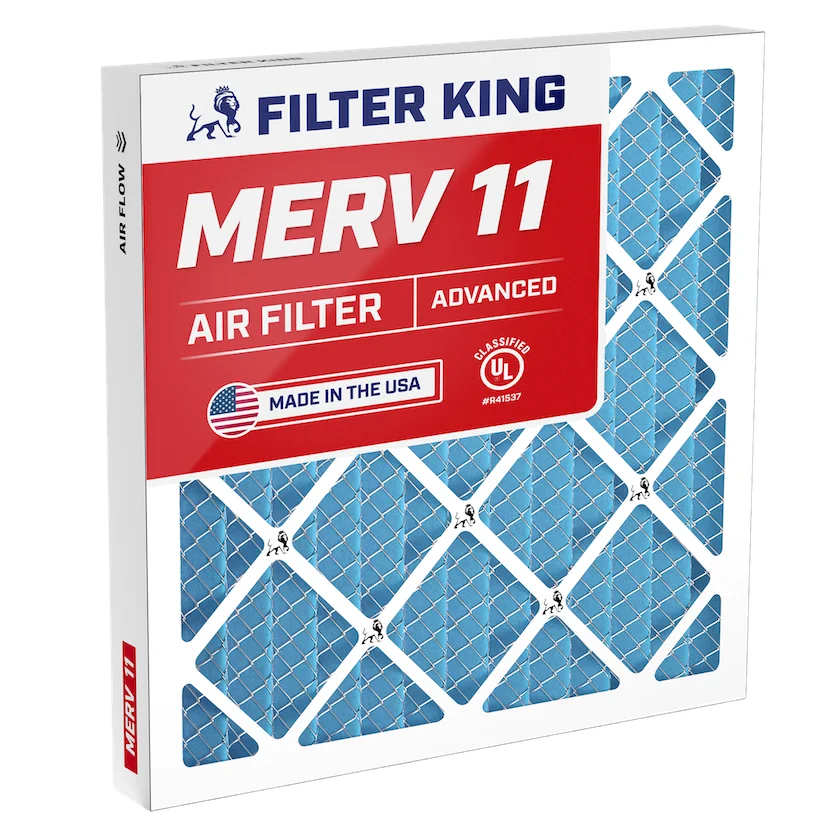
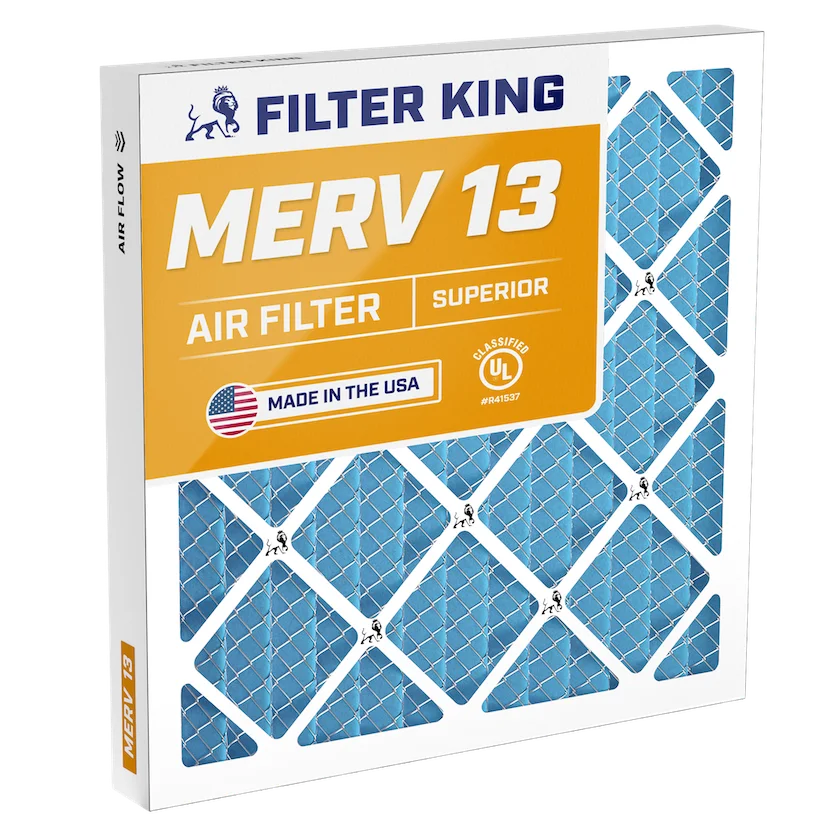
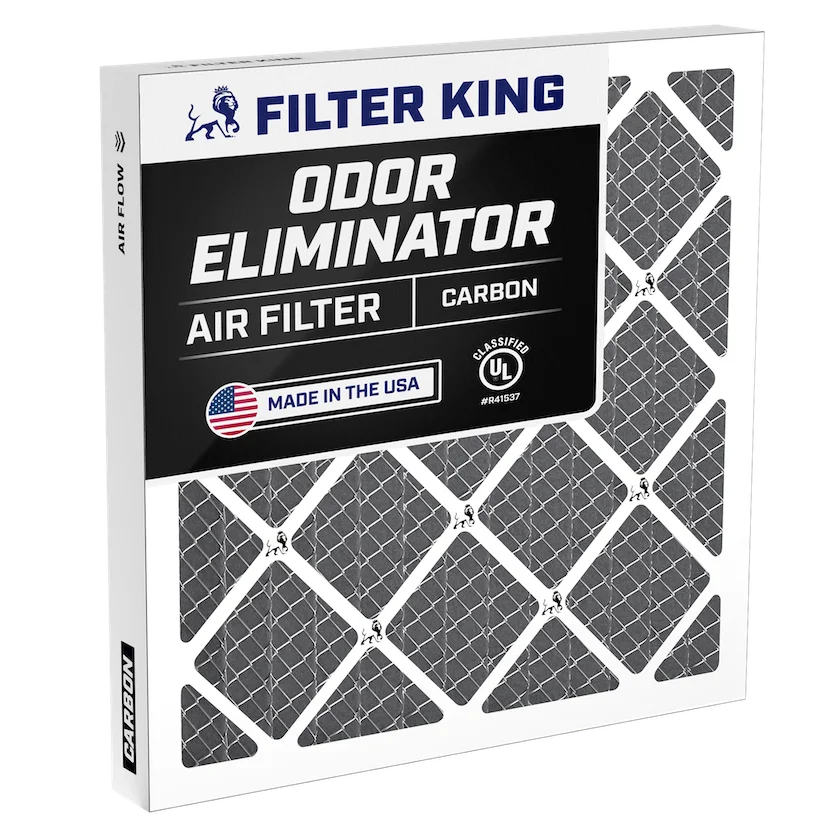


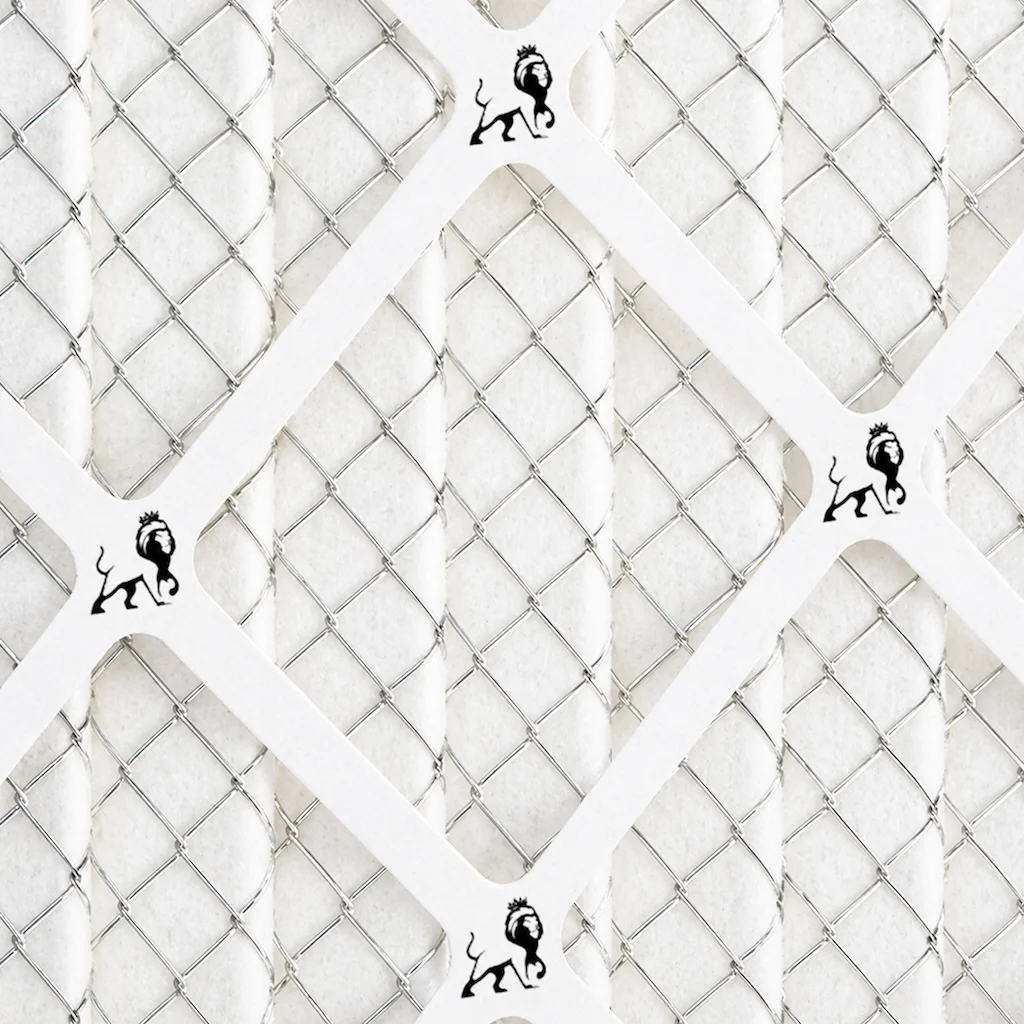
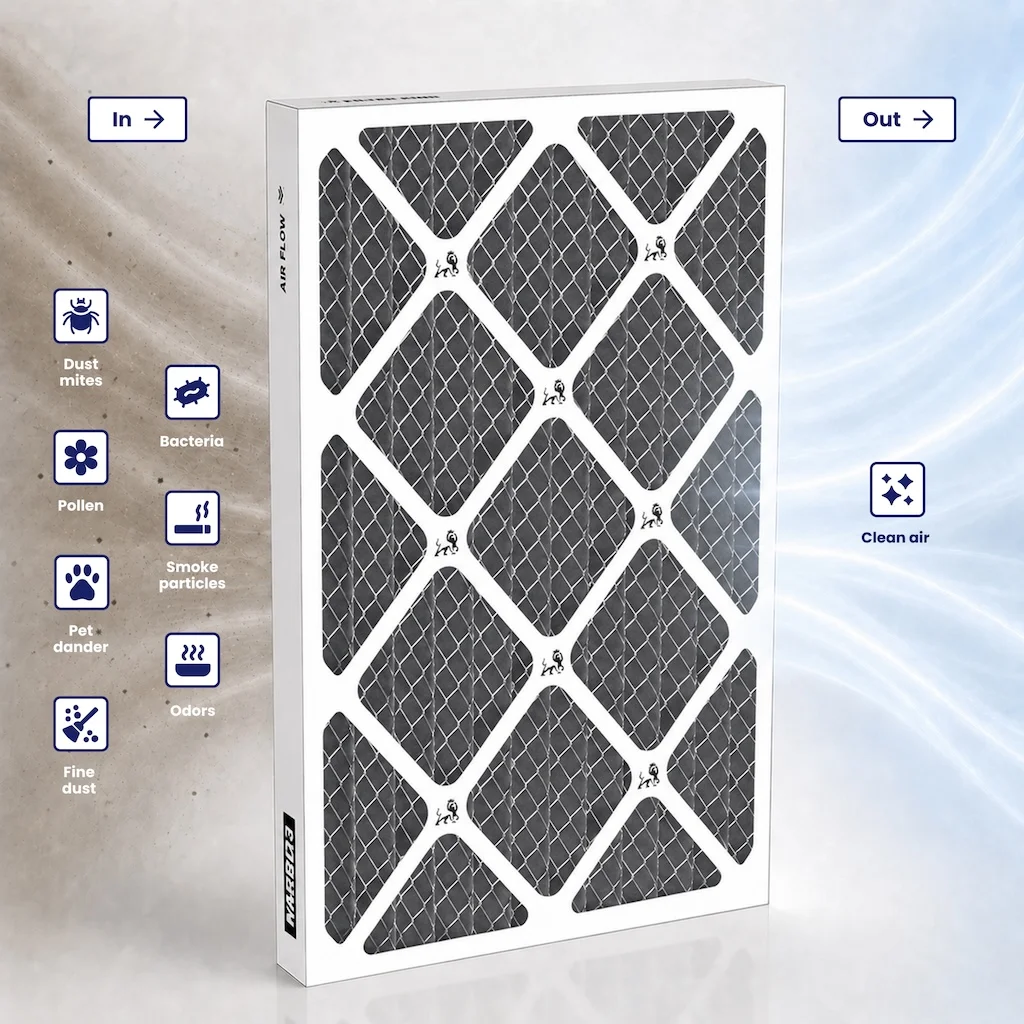
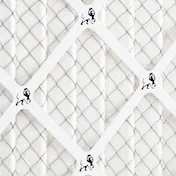
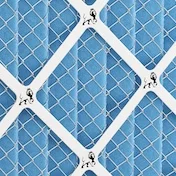
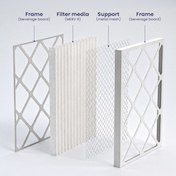
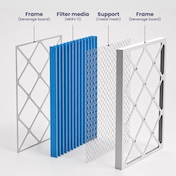
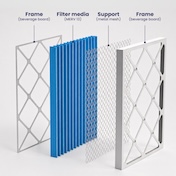
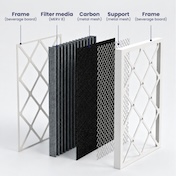
The diagonal straps die-cut into the frame bond to each pleat tip, keeping them evenly spaced so the filter won't bow.
Traps up to 90% of everyday particles like dust mites, pollen, pet dander, and mold spores, while still letting air flow through freely.
Rated to capture up to 95% of common particles, MERV 11 media catches dust mites, pollen, pet dander, and mold spores, as well as fine dust and smoke.
Stops up to 98% of particles passing through, including dust mites, pollen, pet dander, and mold spores, as well as fine dust, smoke, and bacteria.
Traps up to 90% of everyday particles like dust mites, pollen, pet dander, and mold spores, while still letting air flow through freely.
An expanded wire grid bonds to the media, stopping the pleats from shifting or pulling away under airflow.
An expanded wire grid bonds to the media, stopping the pleats from shifting or pulling away under airflow.
An expanded wire grid bonds to the media, stopping the pleats from shifting or pulling away under airflow.
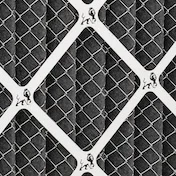
A layer of activated carbon absorbs odor molecules from cooking, pets, and chemical fumes – catching what the filter media alone can't.
The same heavy-duty, moisture-resistant beverage board on the exit side holds its shape and keeps a tight seal in your vent or wall slot.
An expanded wire grid bonds to the media, stopping the pleats from shifting or pulling away under airflow.
Check the label on your current filter or use a tape measure to determine the length, width, and thickness. Just make sure you know the difference between nominal and actual size.
Nominal Size: 14x14x1
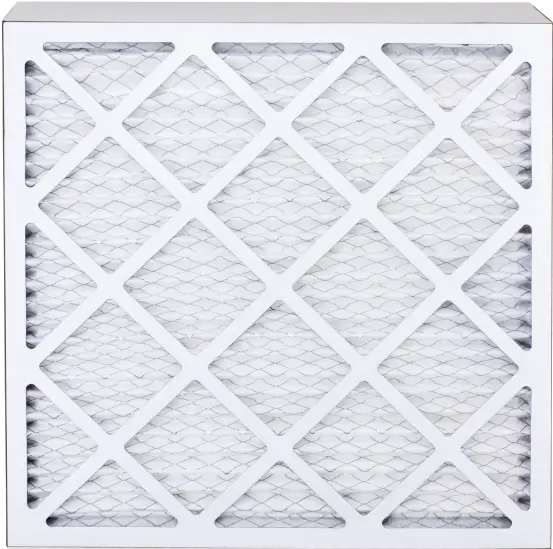
Actual Size: 13.5x13.5x0.75
Nominal size is what you normally see printed on the label. This is usually a rounded size which is often not the true size of your filter.
Actual size is the true size of the air filter, usually written in smaller font below the nominal size.
Measure your current air filter or the length, width, and depth of the opening slot to get the actual size. Round it up to the nearest whole inch to get the nominal size.
Installing 14x14x1 furnace filter or HVAC air filter is easy. Just make sure to align the arrow printed on the side with the airflow direction!
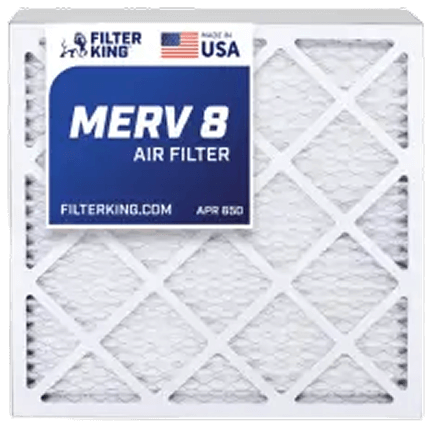
Remove the air filter from the package
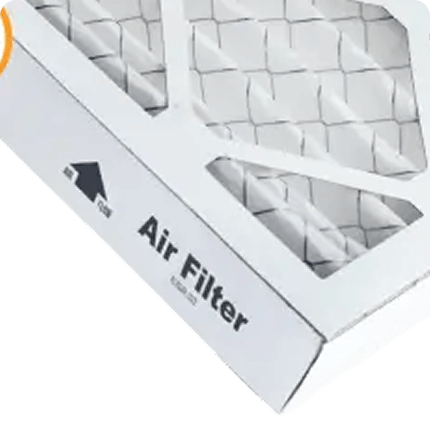
Locate the arrow and point it in the direction of the fan
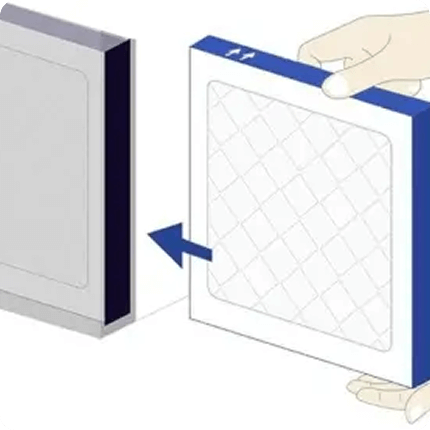
Slide the filter in to the slot of the central unit

For return grills, insert the filter into the grill, pointing the arrow inwards
Never run out of a clean filter – and cancel anytime if your plans change
 Pay full price on every order
Need to remember to reorder every time you run out
Forget to reorder, and a dirty filter can drive up your energy bills.
Pay full price on every order
Need to remember to reorder every time you run out
Forget to reorder, and a dirty filter can drive up your energy bills.
 Get 5% off every order, automatically
New filters arrive right when you need them
Pause, skip, or cancel anytime – no commitment needed.
Get 5% off every order, automatically
New filters arrive right when you need them
Pause, skip, or cancel anytime – no commitment needed.
A 14x14x1 air filter is a compact, square size filter used in smaller HVAC system setups along with space-constrained installations. Unlike rectangular filters found in most single-family homes, square filters serve very specific system designs where return openings are limited by layout, equipment type, and cabinet size.
Because of its smaller size, 14x14x1 air filter behaves differently than larger filters. It fills faster, requires close attention to MERV rating, and oftentimes needs more replacements to keep airflow steady. That doesn't make the 14x14x1 air filter inferior, it simply means it's designed for a different system.
This guide focuses on what 14x14x1 air filter users need: how to confirm compatibility, what performance to expect (from a compact filter), how to select the right MERV rating without airflow issues, how to handle frequent replacements, and how to buy cost-effectively and reliably.
The first thing to understand about 14x14x1 replacement air filters is that they are purpose specific. This is not a universal size, and that is by design.
You'll most often find 14x14x1 air filters in:
These systems have lower total air volume than full-sized residential HVAC units, which is why a smaller square filter replacement is sufficient, especially when replaced regularly.
Several HVAC manufacturers specify square filters like 14x14x1 air filters in select models, particularly in packaged units, mobile-home furnaces, and compact air handlers. In small-space housing, compact HVAC system solutions are common to help provide cleaner indoor air. According to US Census Bureau housing data, a significant share of U.S. residences fall under apartments, manufactured housing, and condos.
Because this is size specific, use these steps to determine the filter performance of a 14x14x1 air filter:
It's important to be upfront about how 14x14x1 air filters perform, especially when you want to improve your home's indoor air quality. Smaller filters do have less surface area compared to larger formats. Surface area directly impacts how much dust a filter can hold and how long it can operate efficiently. This isn't necessarily a flaw—it's a design choice that aligns with the needs of smaller HVAC systems with lower airflow volumes.
Compared to larger filters, a 14x14x1 air filter:
Compact HVAC systems are designed to move less total air compared to larger HVAC units and setups. When replaced on schedule, a 14x14x1 air filter performs exactly as it is intended. It helps protect equipment, captures everyday airborne particles, and maintains proper air flow and air quality.
Industry guidance summarized by ASHRAE demonstrates that as filter surface area decreases, pressure drop increases more rapidly as particles load onto the media. This is why consistently timed replacements are especially important for compact, 1-inch filters.
With 14x14x1 air filters, MERV selection isn't just about choosing the highest rating available. It's about finding the right balance between optimal air filtration and staying within the limitations of a compact system. One-inch square filters have significantly less surface area and lower airflow tolerance than larger or deeper filters. This means denser media can restrict airflow more quickly if the system isn't designed for it.
ASHRAE guidance on residential filtration for a smaller HVAC system consistently emphasizes matching MERV rating to system capacity, especially in systems where pressure drop increases faster as filters load. With that constraint in mind, here's how to approach MERV selection realistically.
Best choice for more 14x14x1 air filter applications
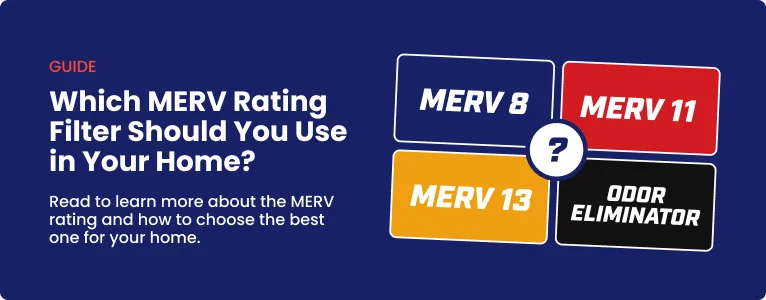
MERV 8 is the most reliable option for compact systems. It captures common household airborne particles, dust, pollen, and mold spores—while also maintaining manageable airflow resistance in a small, 1-inch filter.
For apartments, mobile homes, condos, and compact furnaces, MERV 8 provides effective protection without stressing or straining the system. This is especially true when your air filters are replaced every 30 to 60 days.
Use MERV 11 filters with caution, as they offer improved capture of finer particles, such as pet dander and small dust. However, MERV 11 also uses denser media. In a 14x14x1 air filter, that density can increase pressure drop more quickly.
Choose MERV 11 only if:
Note: If airflow weakens or if your system is running longer, step back down to MERV 8
MERV 13 is not recommended without confirmation of compatibility. MERV 13 filters capture very small airborne particles, but in compact, 1-inch formats, they can restrict airflow rapidly. ASHRAE data shows that higher MERV rating filters create higher initial resistance, which can become problematic as surface area decreases.
Use MERV 13 filters in a 14x14x1 size only if the system's documentation specifically approves it. Always monitor the airflow of MERV 13 filters closely. For most compact systems, this level is simply too restrictive.
For homeowners targeting odors, MERV 8 Carbon may be the best filter type. MERV 8 Carbon filters combine standard particle filtration with activated carbon to help reduce pet odors, cooking smells, and stale air. Because the base filtration remains MERV 8, airflow stays more stable than with higher MERV particle filters.
Understanding MERV (minimum efficiency reporting value) is part of good system care. Staying within airflow limits, replacing filters on schedule, and choosing the lowest effective MERV rating delivers better results than over-filtering a system that was not designed for higher MERV filters.
Replacing your 14x14x1 air filter properly is essential for optimal performance. Replacing your furnace filter once every 30 to 60 days may feel frequent, especially compared to larger furnace filter solutions that can last several months. For compact systems, however, this schedule is not optional. Paying attention to the specific needs of your 14x14x1 air filter is key to keeping airflow stable and filtration suitable, whether you have a home where allergies and asthma are present or if you want to minimize clogging.
A 14x14x1 air filter has limited surface area, so it is more likely to fill with dust faster than larger formats. Higher rated filters are not always suitable for compact solutions, which is why more frequent replacements are necessary. Delaying replacement can lead to reduced airflow, longer system run times, and uneven comfort throughout your home. Replacing on schedule prevents these issues and allows your system to operate as designed.
Instead of reacting when your filter looks dirty, plan ahead:
Whether you have kids and pets in the home or if you want to reduce pollen, asthma symptoms, and allergies, it's important to match replacement frequencies with your home demands. Homes with pets, dust, or constant system use should stay closer to 30 days. Cleaner indoor air and environments with lighter use may reach 60 days. However, regular checks and inspections are always recommended, especially if you're targeting allergens and small airborne particles.
The right strategy will allow you to incorporate filter changes as a simple habit. This habit will protect airflow, maintain comfort, and keep your compact HVAC system running smoothly.
Because 14x14x1 air filters are replaced more often, the smartest way to shop is to look at annual costs, not the price of a single filter. A compact filter is an ongoing maintenance item, so budgeting for it will avoid potential surprises.
Most homes using a 14x14x1 air filter will go through 6–12 filters each year (every 30–60 days). By comparison, larger, 4-inch filters often only require 2–4 replacements each year. Even if a single 14x14x1 filter costs less upfront, the yearly total can add up quickly if purchases are unplanned.
Multipacks and buying in bulk: If you're cutting down on bills or want to ensure the best price possible, consider buying your filters in bulk. Multipacks reduce the per-filter price and ensure you have replacements on-hand when you need them most.
Use a subscription service: You can also use a subscription service from FilterKing to ensure a proper actual size and snug fit with each of your replacement filters. Subscriptions spread costs evenly over time and may include small discounts. Whether you're targeting bacteria or standard dust in the home, having replacements available year-round can offer relief.
Avoid last-minute buying: If you run out of filters, you may be tempted to replace the filter with any filter you can find. This is never advisable, as you might settle for a MERV rating that's simply not right for your system. Planning ahead is part of the process to ensure your choices are predictable.
Before you service your furnace, it's important to consider which characteristics of your 14x14x1 air filter are worth understanding (to avoid common mistakes).
Because the filter is square, you do not need to worry about width versus height. Either side will align with the opening for a satisfying fit. However, it's important to note that airflow direction still matters. Every filter you use will have an airflow arrow printed on the frame. This arrow must point toward the HVAC equipment or blower, not toward your living space.
Square filters can rotate within the slot, especially in ceiling or wall returns. To prevent air bypass, keep the following tips in mind:
Note: If your filter feels loose, double-check that the size matches the return opening exactly. Check the actual size of the furnace filter for verification.
Before you make an investment in your new filter, it's important to understand common installation locations, which include:
Once your filter is installed, inspect for potential damage. Close the grille or access panel to ensure airflow and security. If you hear noise whistling or rattling, open the grille and reseat the filter. Proper orientation and seating are all it takes to receive the reliable performance of air filters of any size.
Knowing when to upgrade your air filters is essential as a homeowner. 14x14x1 air filters work well when they match the system(s) they were designed for. In many instances, there's no reason to change sizes. In other situations, however, an upgrade may be worth considering (but only under the right circumstances). Knowing when a better filter is called for is essential as a homeowner, condo owner, or apartment renter.
Continuing to use 14x14x1 air filters is the practical choice when:
If the system is delivering consistent comfort and air quality, changing to a different air filter size will offer little benefit. Updating your AC furnace should only be done if it is necessary based on the system's output and performance.
An upgrade to your AC furnace and filter may be worth considering if:
Ask yourself:
One practical challenge as a homeowner is ensuring availability with air filters in the home. Because this is a less common size, many hardware stores carry them inconsistently, or not at all. This can make routine replacement a hassle and much harder than it needs to be, especially when filters are needed every 30–60 days.
When choosing where to buy air filters, prioritize suppliers that offer:
Building a dependable replacement routine also makes the process of managing your filters much easier. Instead of tracking down filters each month, you can focus on the timing, knowing that the right filter will arrive when you need them.
The actual size of a 14x14x1 air filter is slightly smaller than the labeled size, usually about 13½ x 13½ x ¾ inches. This sizing allows the filter to fit securely in the return slot (while sealing it properly).
It's recommended to replace your 14x14x1 air filters every 30–60 days. Compact air filters have less surface area, so they typically load faster than larger sizes. Homes with pets, dust, dander, allergens, and constant HVAC use should replace closer to 30 days. Set reminders to keep your air filters consistent and working properly.
14x14x1 air filters are harder to find because they serve specific compact systems, not typical single-family homes.
No. You should not use a 2-inch filter instead of a 1-inch filter unless your system is designed for a deeper filter. A thicker filter than needed can restrict airflow or prevent the grille from closing properly.
Yes, but only if your system allows for it. A MERV 13 filter can restrict airflow quickly in compact systems. Always check limitations using your owner's manual or guide while monitoring airflow closely. Many smaller systems perform better with MERV 8 air filters in place.
Yes. These air filters typically cost more per year, but not per filter. Most homes replace 6–12 compact air filters annually, compared to 2–4 larger filters.
No. These pleated air filters are disposable, not washable. Washing them damages the filter media and reduces its ability to capture particles. It's always best to replace the filter once it has become loaded.
You can buy 14x14x1 air filters online from trusted HVAC suppliers, such as FilterKing. Online stores offer more consistent stock, multiple MERV options, bulk purchasing solutions, and subscription delivery services.


 MERV 8 filters